WHY THIS WORK MATTERS
For too many families, getting care is still a journey they cannot easily make.
The need for community health action is visible at every level: in Cameroon’s crisis-affected regions, across sub-Saharan Africa and around the world. Preventable illness becomes life-threatening when health services are distant, disrupted or unaffordable.
NORTH-WEST & SOUTH-WEST · CAMEROON
210+
health facilities reported non-functional
More than 210 facilities were reported no longer functional because of destruction or abandonment by health personnel in the North-West and South-West. The 2024 Humanitarian Needs Overview also reported that only 31% of women gave birth in a health facility in these two regions.
Source: Cameroon Humanitarian Needs Overview 2024 ↗
CAMEROON · MATERNAL HEALTH
258
maternal deaths per 100,000 live births
WHO’s Cameroon maternal-health scorecard reports a maternal mortality ratio of 258 per 100,000 live births in 2023. Timely antenatal care, skilled delivery, postnatal follow-up and referral can help prevent avoidable deaths.
Source: WHO Africa maternal-health scorecard ↗
SUB-SAHARAN AFRICA
2.8 million
children under five died in 2024
Sub-Saharan Africa accounted for 58% of all under-five deaths worldwide in 2024. Its under-five mortality rate was 71.6 deaths per 1,000 live births—nearly 14 times the rate in Europe and Northern America.
Source: WHO, Child mortality under five years (2026) ↗
WORLDWIDE · ACCESS TO HEALTHCARE
4.6 billion
people were not fully covered by essential health services
WHO estimates that around 4.6 billion people were not fully covered by essential health services in 2023. In 2022, 2.1 billion people experienced financial hardship from out-of-pocket health spending.
Source: WHO, Universal Health Coverage (2025) ↗
THE HUMANITARIAN CONTEXT
In crisis-affected communities, the barriers are even harder to overcome.
UNICEF reported that 3.3 million people in Cameroon needed humanitarian assistance in 2025, including 1.7 million children. Insecurity and attacks on health and education services continued to restrict access in the North-West and South-West. For families facing displacement, disrupted livelihoods and unsafe journeys, community outreach, health education and reliable referral pathways are essential links to care.
H4BF’S RESPONSE
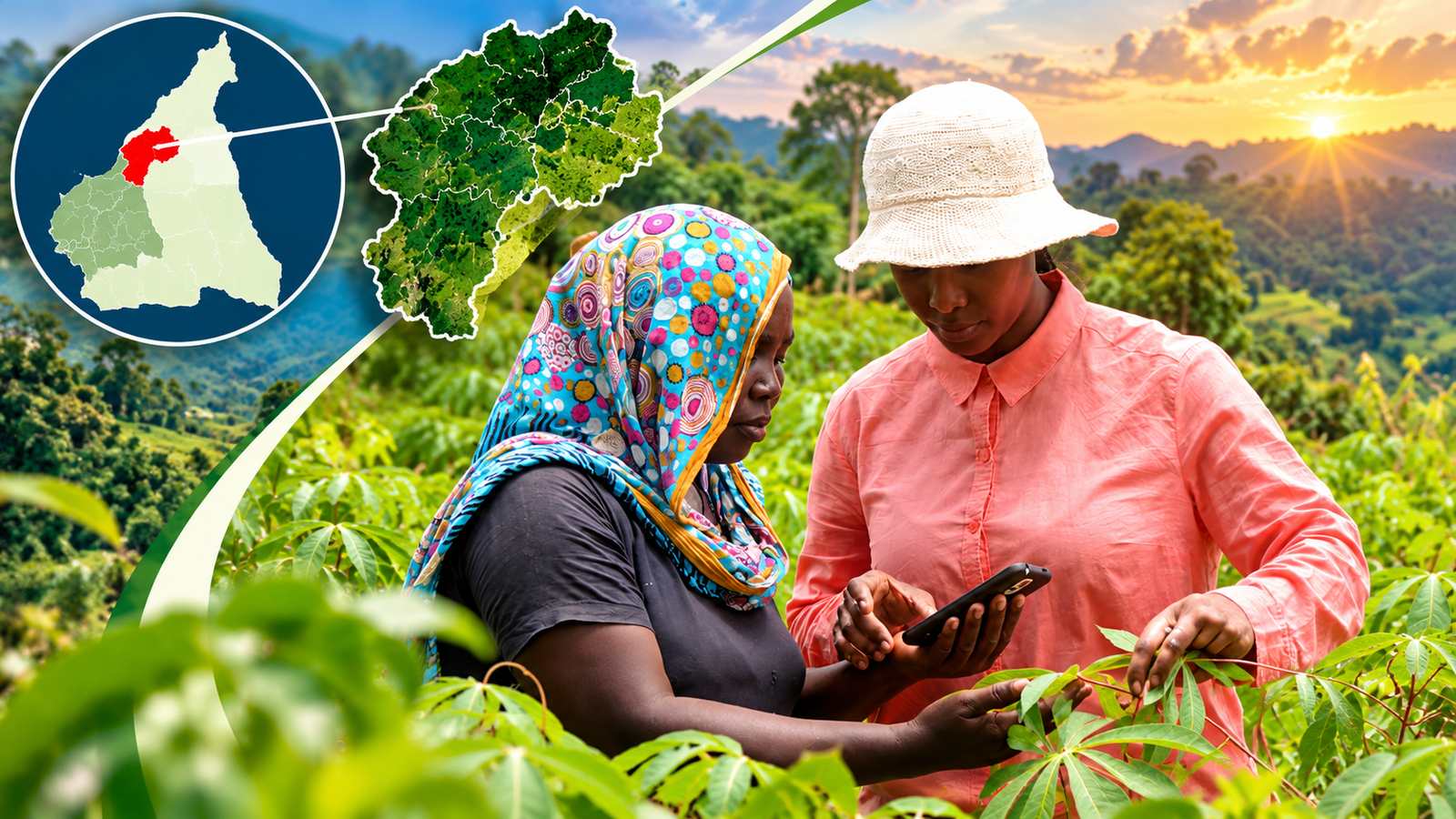
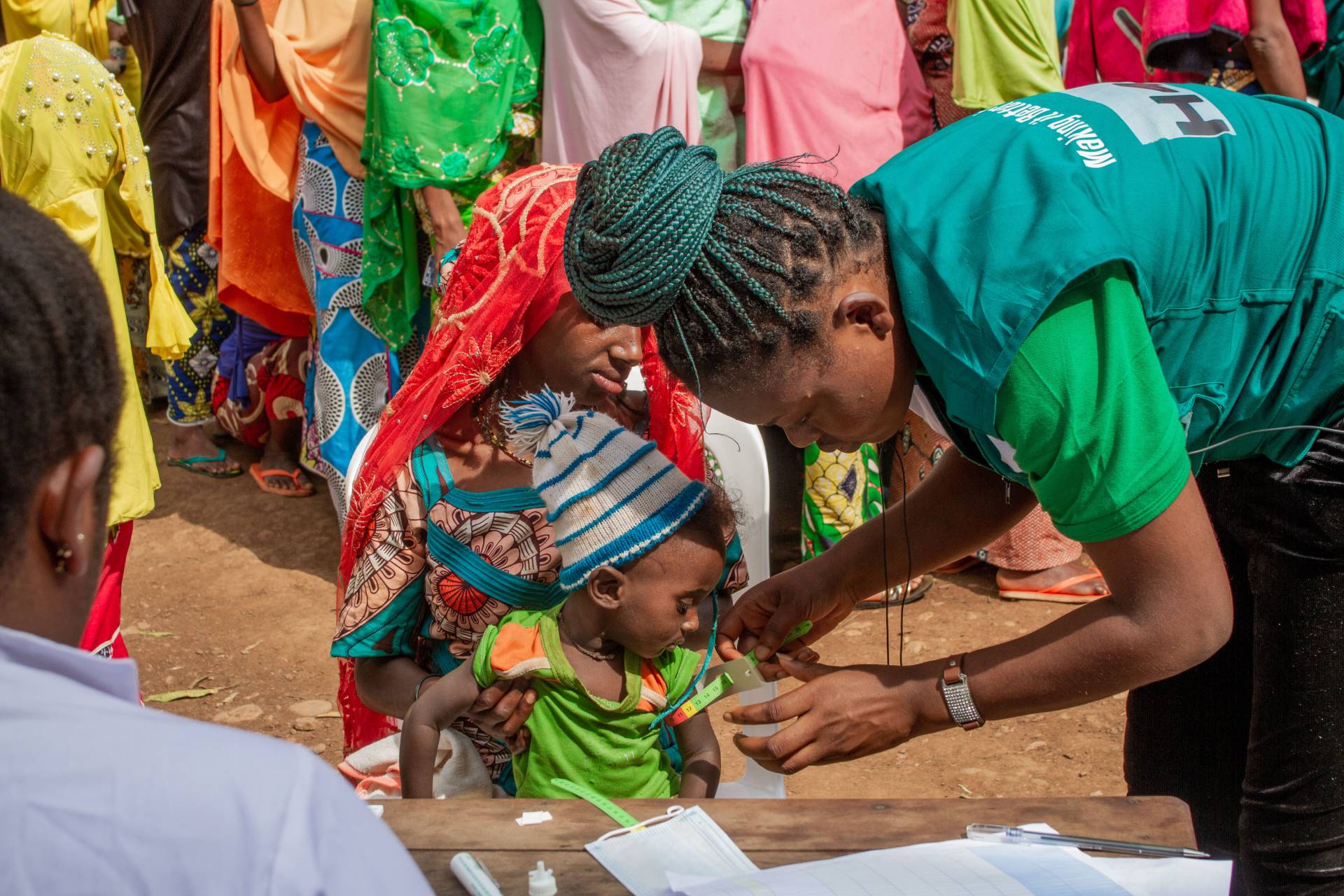
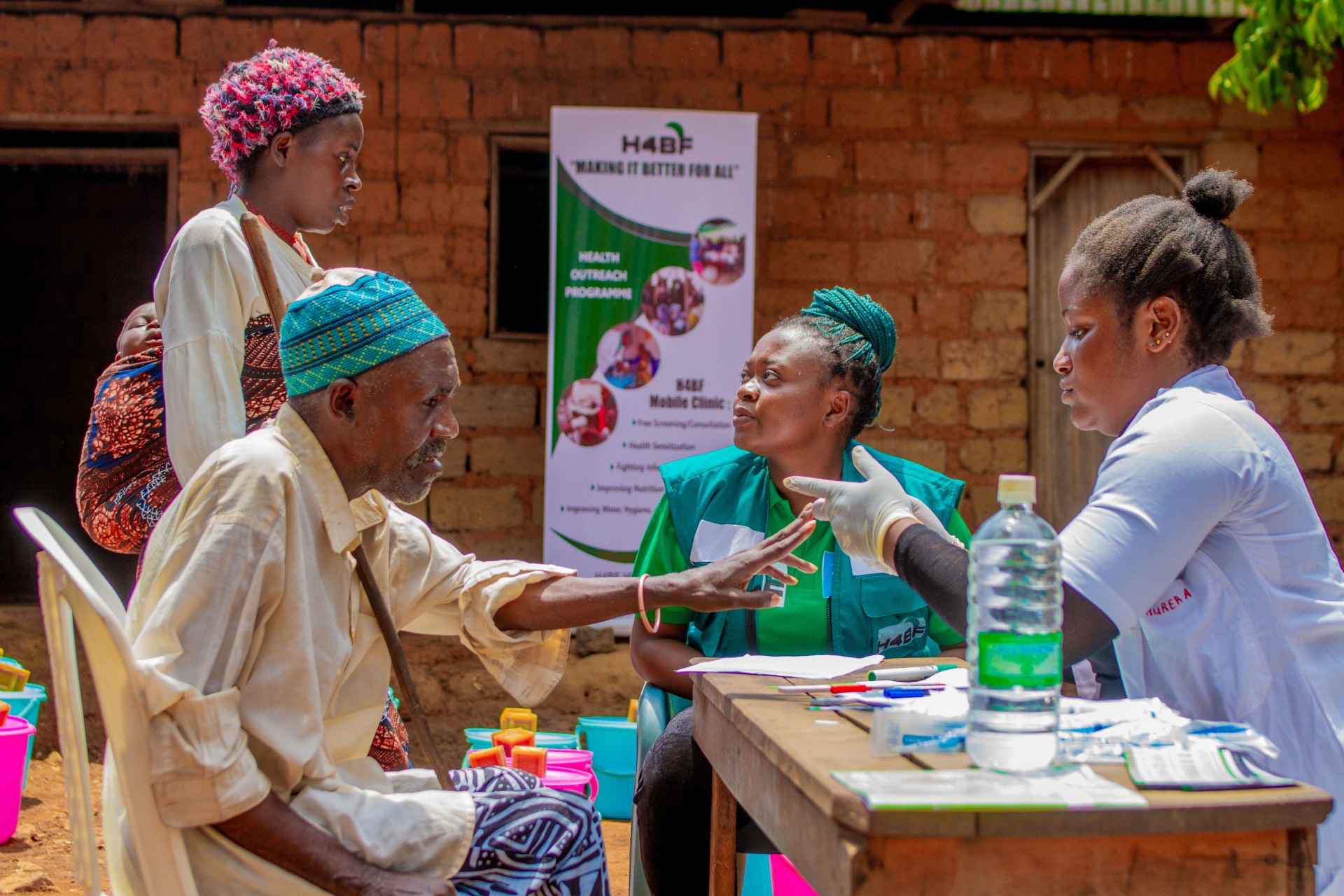
H4BF brings health information and outreach closer to households, supports community health workers, connects people with local health facilities and strengthens prevention, maternal and child health engagement, psychosocial support and referral pathways.