In Sabga, Cameroon, community empowerment begins when farmers discover that some of the solutions to their challenges are already within their reach.
Sabga, North-West Region, Cameroon | October 2026
A farmer’s ability to produce food depends on more than the land they cultivate. It depends on the health of the soil, the cost of agricultural inputs, the knowledge available to them and their ability to make decisions that sustain their livelihoods.
For smallholder onion farmers in Sabga, maintaining productive soil is an important part of that equation. Commercial fertilisers can place pressure on production budgets, while opportunities to learn and adopt alternative soil-management practices can make a meaningful difference to the way farmers manage their farms.
But what if farmers could produce part of what their farms need using resources available within their own communities?
That question is at the heart of an initiative bringing practical agricultural knowledge closer to the people who need it most.
A Different Approach to Empowerment
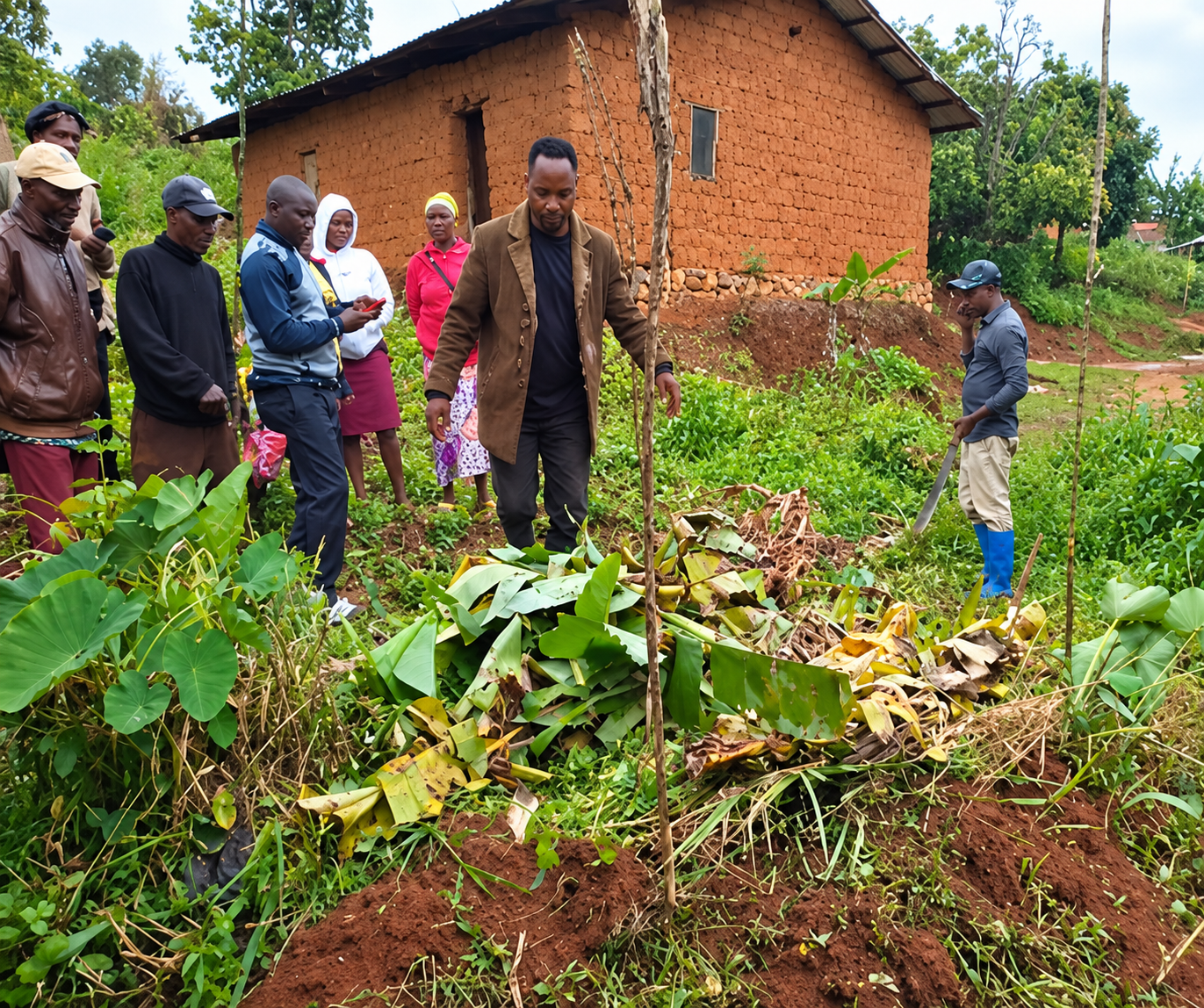
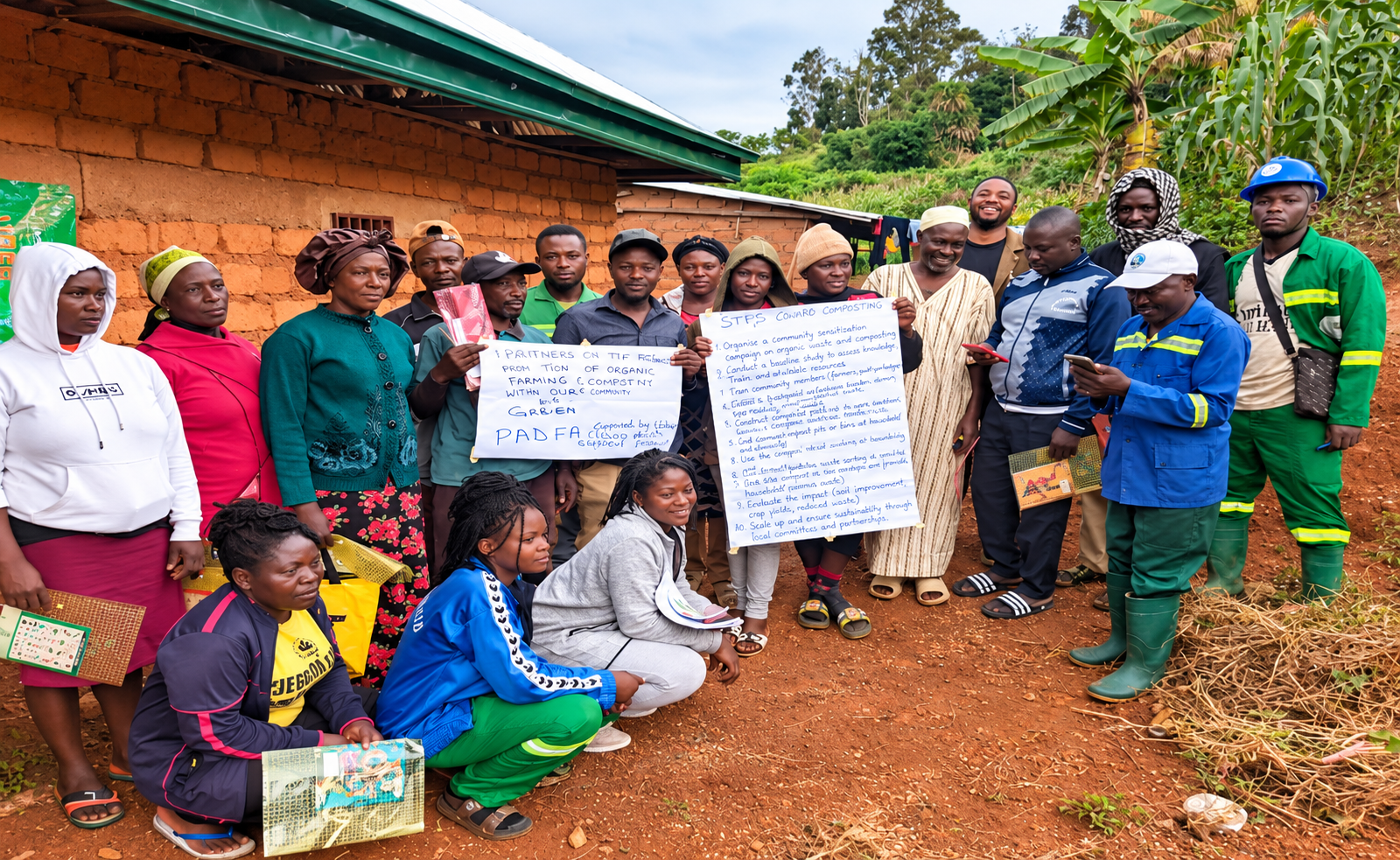
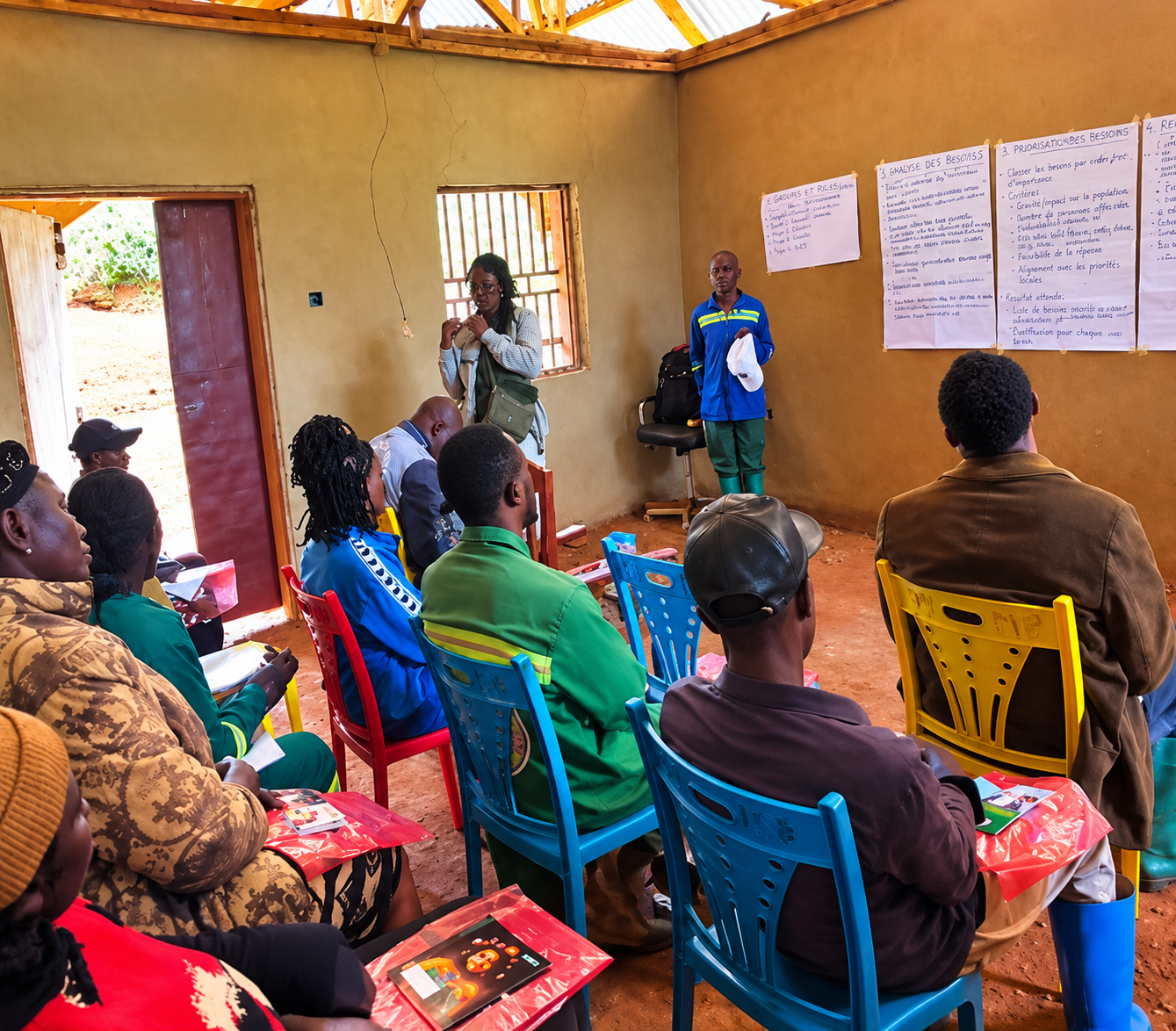
On 12 October 2026, 25 farmers from the H4BF Onion Cooperative in Sabga gathered for a practical training on the production and use of organic compost. The session was organised by PADFA, the Commodity Value Chain Development Support Project, and facilitated by its staff member, Mr George.
Among the participants were 13 women and 12 men—a group united by a common interest in strengthening their agricultural practices and improving the management of their farms.
The training introduced participants to the principles and practical steps of compost production, from selecting suitable organic materials and preparing a compost pile to managing moisture, improving aeration and recognising when compost is ready for use.
The central lesson was straightforward but significant: suitable organic materials need not go to waste. When properly managed, they can be transformed into a valuable soil amendment that supports crop production and improves soil management.
For farmers, this knowledge opens up possibilities. Instead of relying exclusively on inputs purchased from outside the community, they can explore ways to produce some agricultural resources themselves.
This is where empowerment becomes practical.
H4BF’s approach is not simply about bringing knowledge to a community. It is about strengthening people’s capacity to use that knowledge, make informed choices and develop solutions they can sustain themselves.
Putting Farmers in the Driving Seat
Training has the greatest value when it translates into action.
For the farmers of Sabga, the next step is to put the lessons into practice: establish compost piles, use locally available organic materials appropriately, apply mature compost to their farms and observe the results.
This process gives farmers an opportunity to become active participants in improving their own production systems. It also creates room for peer learning, as cooperative members share their experiences, compare approaches and help one another overcome practical challenges.
The cooperative provides a foundation for this collective learning. Skills acquired by individual farmers can be discussed and shared, helping successful practices spread beyond the people who attended the initial training.
Over time, this approach can strengthen the cooperative not only as a group of farmers, but also as a community of people who learn together, solve problems together and take greater responsibility for their shared progress.
The goal is not to make farmers dependent on repeated training. It is to give them a foundation from which they can continue learning, experimenting responsibly and making decisions based on their own experience.
Women Are Not on the Sidelines of Change
Women represented 52% of the participants in the Sabga training, with 13 women taking part alongside 12 men.
Their participation matters because agricultural development must recognise the contributions, knowledge and potential of women within farming households and cooperatives.
When women can access practical agricultural training, they gain additional opportunities to contribute to decisions about soil management, production costs and the use of farm resources. Their participation also strengthens the potential for agricultural knowledge to circulate through households and wider community networks.
For H4BF, inclusive empowerment means creating opportunities for women and men to acquire useful skills and participate in shaping the future of their livelihoods.
The Sabga training is one practical expression of that commitment.
From a Training Session to a Community-Owned Solution
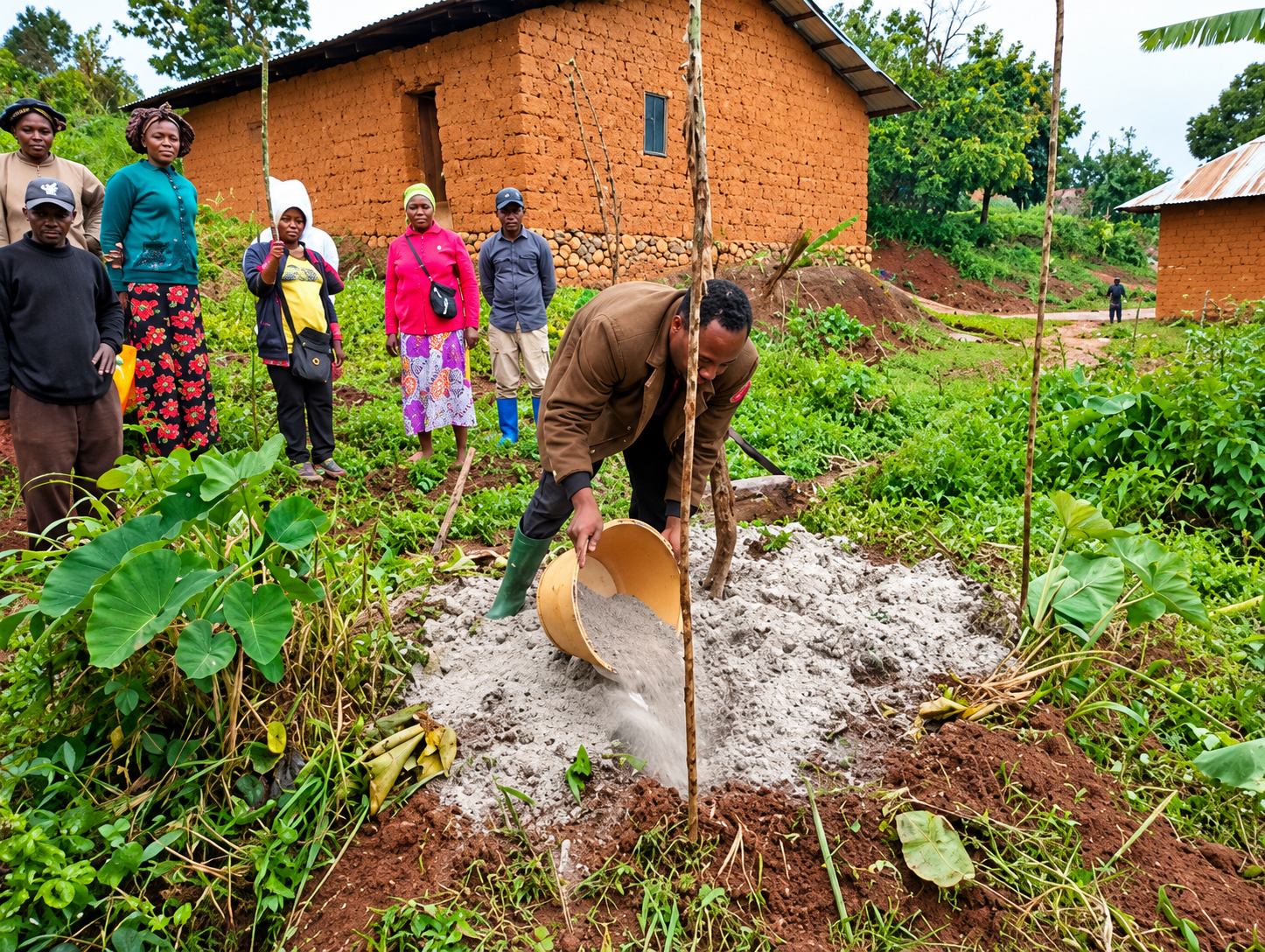
The collaboration between PADFA and H4BF demonstrates how technical expertise and community organisation can complement one another.
PADFA contributed technical facilitation on compost production. H4BF’s cooperative structure provided a platform for farmers to participate, learn and consider how the knowledge could be applied within their own farming systems.
The next stage is to turn this opportunity into measurable progress.
Farmers can be supported to document the quantities of compost they produce, the materials and labour required, changes in their use of purchased fertilisers, and observations on soil condition and crop performance. Such evidence will help establish whether composting is delivering practical benefits under local conditions and identify where further support may be needed.
Follow-up visits and farmer-to-farmer exchanges could reinforce the skills acquired, encourage continued application and help identify farmers willing to share their experience with others.
In this way, the initiative can move beyond counting training participants to understanding what changes in farming practices, production costs and local capacity actually occur.
The 25 farmers are the starting point—not the limit—of the opportunity.
What Success Should Look Like
The long-term ambition is a farming community that is better equipped to manage its resources and make informed decisions about agricultural production.
Success would mean farmers producing and applying suitable compost, improving their understanding of soil management, documenting the costs and benefits of the practice, and sharing useful lessons with other cooperative members.
It would also mean women participating meaningfully in the adoption and spread of these practices, and the cooperative becoming a stronger platform for collective learning and problem-solving.
These outcomes will require time, consistent application and follow-up. The training itself is an important beginning, but the lasting impact will be determined by what farmers do with the knowledge they have gained.
Our Commitment: Empowering People to Lead Their Own Progress
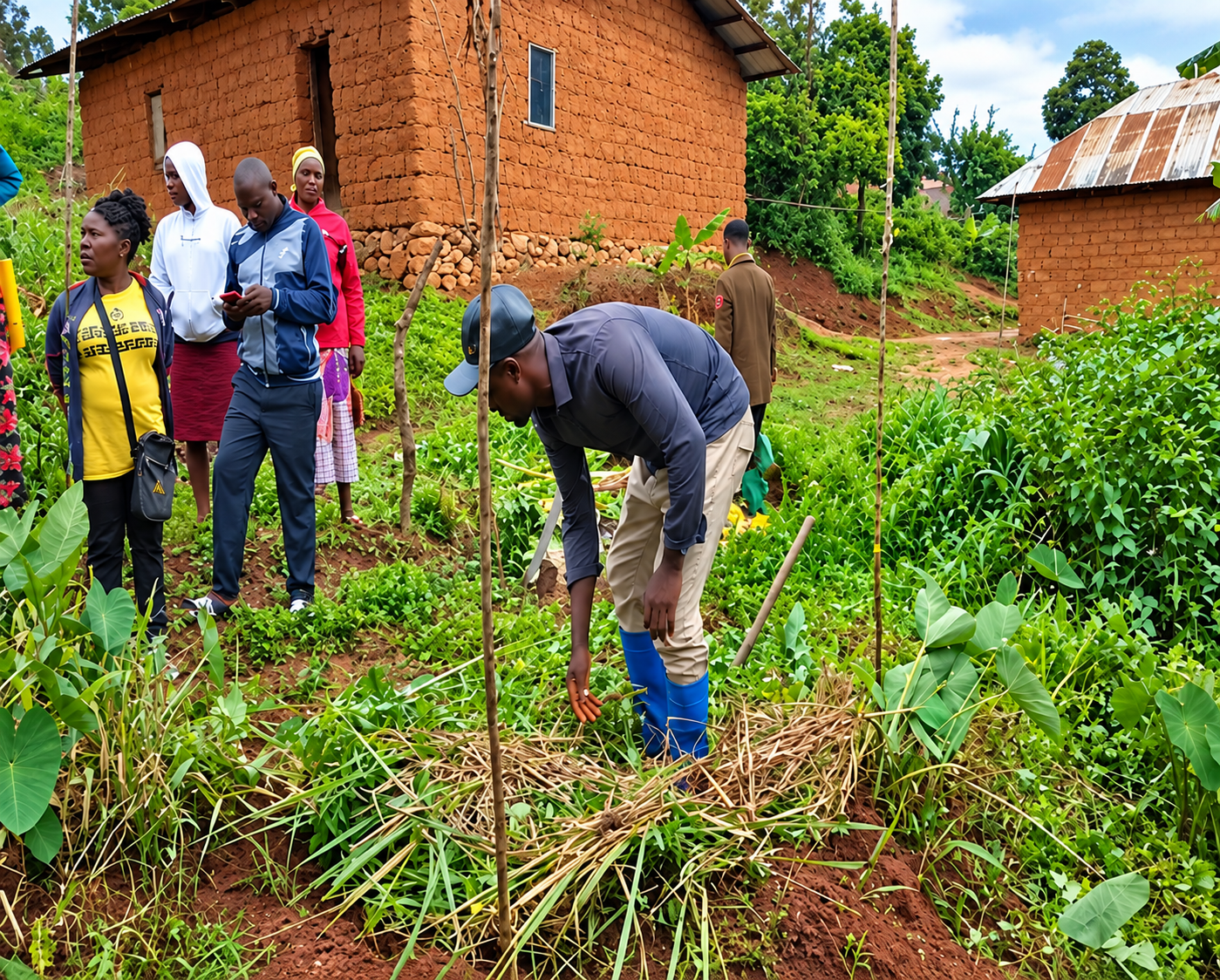
At Hope for A Better Future, we believe that sustainable development is strongest when communities have the knowledge, skills and opportunities to take ownership of the solutions affecting their lives.
The experience in Sabga reflects this principle. A practical training has created an opportunity for farmers to explore how local resources can support their agricultural activities, how knowledge can strengthen self-reliance, and how cooperative action can help good practices reach more people.
The next chapter will be written on the farms themselves—in the compost piles farmers establish, the practices they adopt, the lessons they share and the evidence they gather.
Because community empowerment is not measured only by the number of people who attend a training. It is measured by the capacity people build, the decisions they become equipped to make and the progress they sustain beyond the intervention.
Our ambition is clear: to help communities move from receiving solutions to creating them, from isolated efforts to collective action, and from short-term support towards lasting self-reliance.
In Sabga, that journey has begun with 25 farmers, practical knowledge and the opportunity to turn local resources into local solutions.
Activity source: Report submitted by Ndikaka Basil Ngala, Project Officer.
Acknowledgement: H4BF acknowledges PADFA for facilitating the compost-production training and the H4BF Onion Cooperative farmers for their participation and commitment to exploring sustainable agricultural practices.



In Sabga, Cameroon, community empowerment begins when farmers discover that some of the solutions to their challenges are already within their reach.
Sabga, North-West Region, Cameroon | October 2026
A farmer’s ability to produce food depends on more than the land they cultivate. It depends on the health of the soil, the cost of agricultural inputs, the knowledge available to them and their ability to make decisions that sustain their livelihoods.
For smallholder onion farmers in Sabga, maintaining productive soil is an important part of that equation. Commercial fertilisers can place pressure on production budgets, while opportunities to learn and adopt alternative soil-management practices can make a meaningful difference to the way farmers manage their farms.
But what if farmers could produce part of what their farms need using resources available within their own communities?
That question is at the heart of an initiative bringing practical agricultural knowledge closer to the people who need it most.
A Different Approach to Empowerment
On 12 October 2026, 25 farmers from the H4BF Onion Cooperative in Sabga gathered for a practical training on the production and use of organic compost. The session was organised by PADFA, the Commodity Value Chain Development Support Project, and facilitated by its staff member, Mr George.
Among the participants were 13 women and 12 men—a group united by a common interest in strengthening their agricultural practices and improving the management of their farms.
The training introduced participants to the principles and practical steps of compost production, from selecting suitable organic materials and preparing a compost pile to managing moisture, improving aeration and recognising when compost is ready for use.
The central lesson was straightforward but significant: suitable organic materials need not go to waste. When properly managed, they can be transformed into a valuable soil amendment that supports crop production and improves soil management.
For farmers, this knowledge opens up possibilities. Instead of relying exclusively on inputs purchased from outside the community, they can explore ways to produce some agricultural resources themselves.
This is where empowerment becomes practical.
H4BF’s approach is not simply about bringing knowledge to a community. It is about strengthening people’s capacity to use that knowledge, make informed choices and develop solutions they can sustain themselves.
Putting Farmers in the Driving Seat
Training has the greatest value when it translates into action.
For the farmers of Sabga, the next step is to put the lessons into practice: establish compost piles, use locally available organic materials appropriately, apply mature compost to their farms and observe the results.
This process gives farmers an opportunity to become active participants in improving their own production systems. It also creates room for peer learning, as cooperative members share their experiences, compare approaches and help one another overcome practical challenges.
The cooperative provides a foundation for this collective learning. Skills acquired by individual farmers can be discussed and shared, helping successful practices spread beyond the people who attended the initial training.
Over time, this approach can strengthen the cooperative not only as a group of farmers, but also as a community of people who learn together, solve problems together and take greater responsibility for their shared progress.
The goal is not to make farmers dependent on repeated training. It is to give them a foundation from which they can continue learning, experimenting responsibly and making decisions based on their own experience.
Women Are Not on the Sidelines of Change
Women represented 52% of the participants in the Sabga training, with 13 women taking part alongside 12 men.
Their participation matters because agricultural development must recognise the contributions, knowledge and potential of women within farming households and cooperatives.
When women can access practical agricultural training, they gain additional opportunities to contribute to decisions about soil management, production costs and the use of farm resources. Their participation also strengthens the potential for agricultural knowledge to circulate through households and wider community networks.
For H4BF, inclusive empowerment means creating opportunities for women and men to acquire useful skills and participate in shaping the future of their livelihoods.
The Sabga training is one practical expression of that commitment.
From a Training Session to a Community-Owned Solution
The collaboration between PADFA and H4BF demonstrates how technical expertise and community organisation can complement one another.
PADFA contributed technical facilitation on compost production. H4BF’s cooperative structure provided a platform for farmers to participate, learn and consider how the knowledge could be applied within their own farming systems.
The next stage is to turn this opportunity into measurable progress.
Farmers can be supported to document the quantities of compost they produce, the materials and labour required, changes in their use of purchased fertilisers, and observations on soil condition and crop performance. Such evidence will help establish whether composting is delivering practical benefits under local conditions and identify where further support may be needed.
Follow-up visits and farmer-to-farmer exchanges could reinforce the skills acquired, encourage continued application and help identify farmers willing to share their experience with others.
In this way, the initiative can move beyond counting training participants to understanding what changes in farming practices, production costs and local capacity actually occur.
The 25 farmers are the starting point—not the limit—of the opportunity.
What Success Should Look Like
The long-term ambition is a farming community that is better equipped to manage its resources and make informed decisions about agricultural production.
Success would mean farmers producing and applying suitable compost, improving their understanding of soil management, documenting the costs and benefits of the practice, and sharing useful lessons with other cooperative members.
It would also mean women participating meaningfully in the adoption and spread of these practices, and the cooperative becoming a stronger platform for collective learning and problem-solving.
These outcomes will require time, consistent application and follow-up. The training itself is an important beginning, but the lasting impact will be determined by what farmers do with the knowledge they have gained.
Our Commitment: Empowering People to Lead Their Own Progress
At Hope for A Better Future, we believe that sustainable development is strongest when communities have the knowledge, skills and opportunities to take ownership of the solutions affecting their lives.
The experience in Sabga reflects this principle. A practical training has created an opportunity for farmers to explore how local resources can support their agricultural activities, how knowledge can strengthen self-reliance, and how cooperative action can help good practices reach more people.
The next chapter will be written on the farms themselves—in the compost piles farmers establish, the practices they adopt, the lessons they share and the evidence they gather.
Because community empowerment is not measured only by the number of people who attend a training. It is measured by the capacity people build, the decisions they become equipped to make and the progress they sustain beyond the intervention.
Our ambition is clear: to help communities move from receiving solutions to creating them, from isolated efforts to collective action, and from short-term support towards lasting self-reliance.
In Sabga, that journey has begun with 25 farmers, practical knowledge and the opportunity to turn local resources into local solutions.
Activity source: Report submitted by Ndikaka Basil Ngala, Project Officer.
Acknowledgement: H4BF acknowledges PADFA for facilitating the compost-production training and the H4BF Onion Cooperative farmers for their participation and commitment to exploring sustainable agricultural practices.
Share This:
H4BF