Hope for a Better Future (H4BF) is dedicated to driving innovation from the ground up, improving health, ending hunger, overcoming hardship, and empowering youth, women, and girls. Through sustainable development programs, community engagement, and partnerships, we aim to uplift marginalized populations, foster economic empowerment, and create positive, lasting change in vulnerable communities.
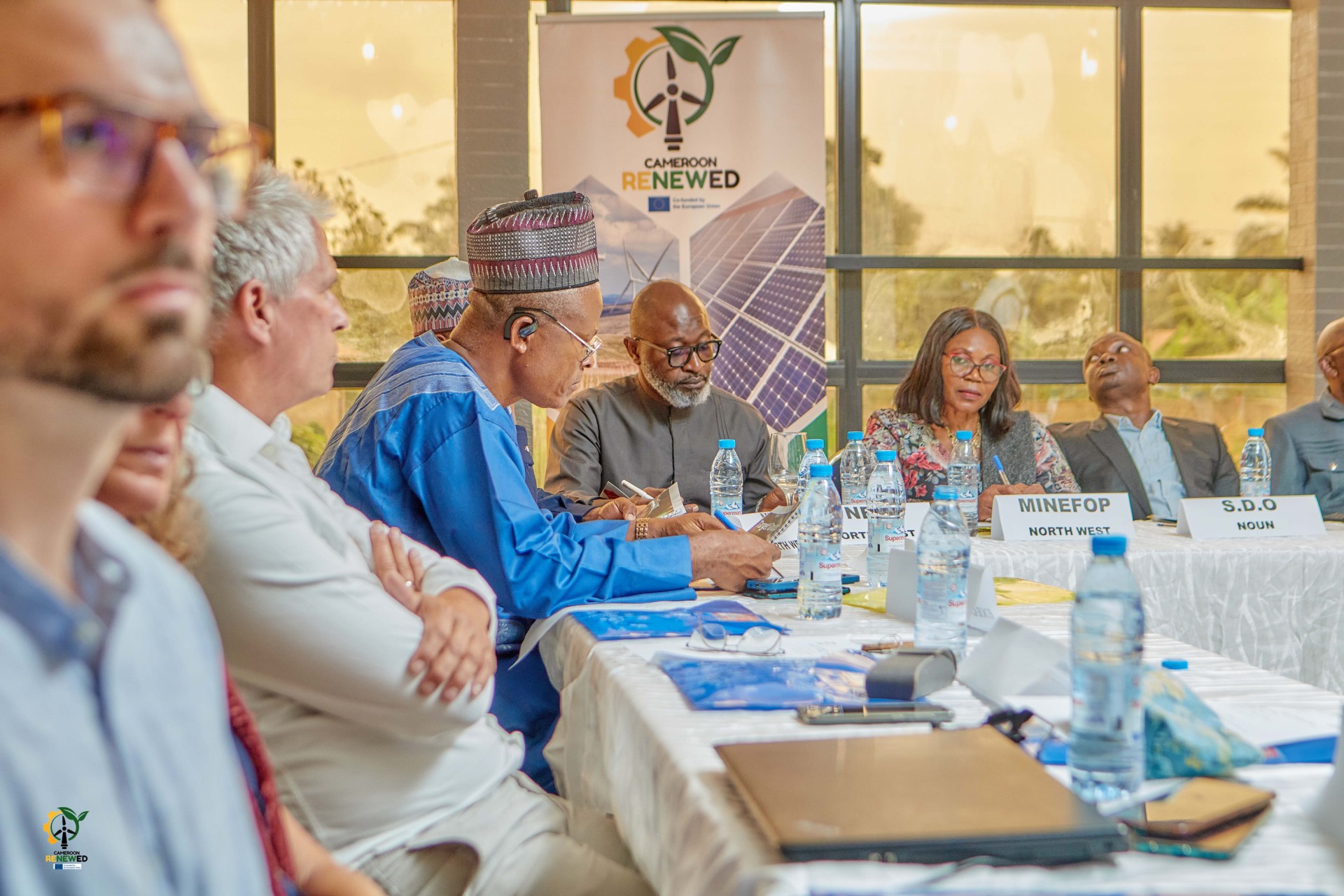
The integration of clean energy solutions in Cameroon’s crisis-affected communities is significantly enhancing the quality of life for its residents. These sustainable energy sources are not only providing reliable electricity but also fostering economic development by creating job opportunities and improving access to essential services. As communities transition from traditional energy sources, they experience a reduction in environmental degradation and increased resilience against future challenges. The shift towards clean energy represents a pivotal step in promoting social and economic stability in the region. In the crisis-affected communities of Cameroon’s North West Region, energy poverty is not a distant concept—it defines how families cook, study, earn income, and stay healthy. For internally displaced households and women-headed families, the absence of safe and reliable energy deepens vulnerability and limits opportunity. Through the Clean Energy for All Initiative, Hope for a Better Future (H4BF), with support from Youth4Climate (UNDP Italy) and JAC Trust, has demonstrated that clean energy adoption, particularly through solar lamps, can be rapid, sustained, and transformative when solutions are community-owned and economically viable.
Benefits of Solar Lamps in Daily Life
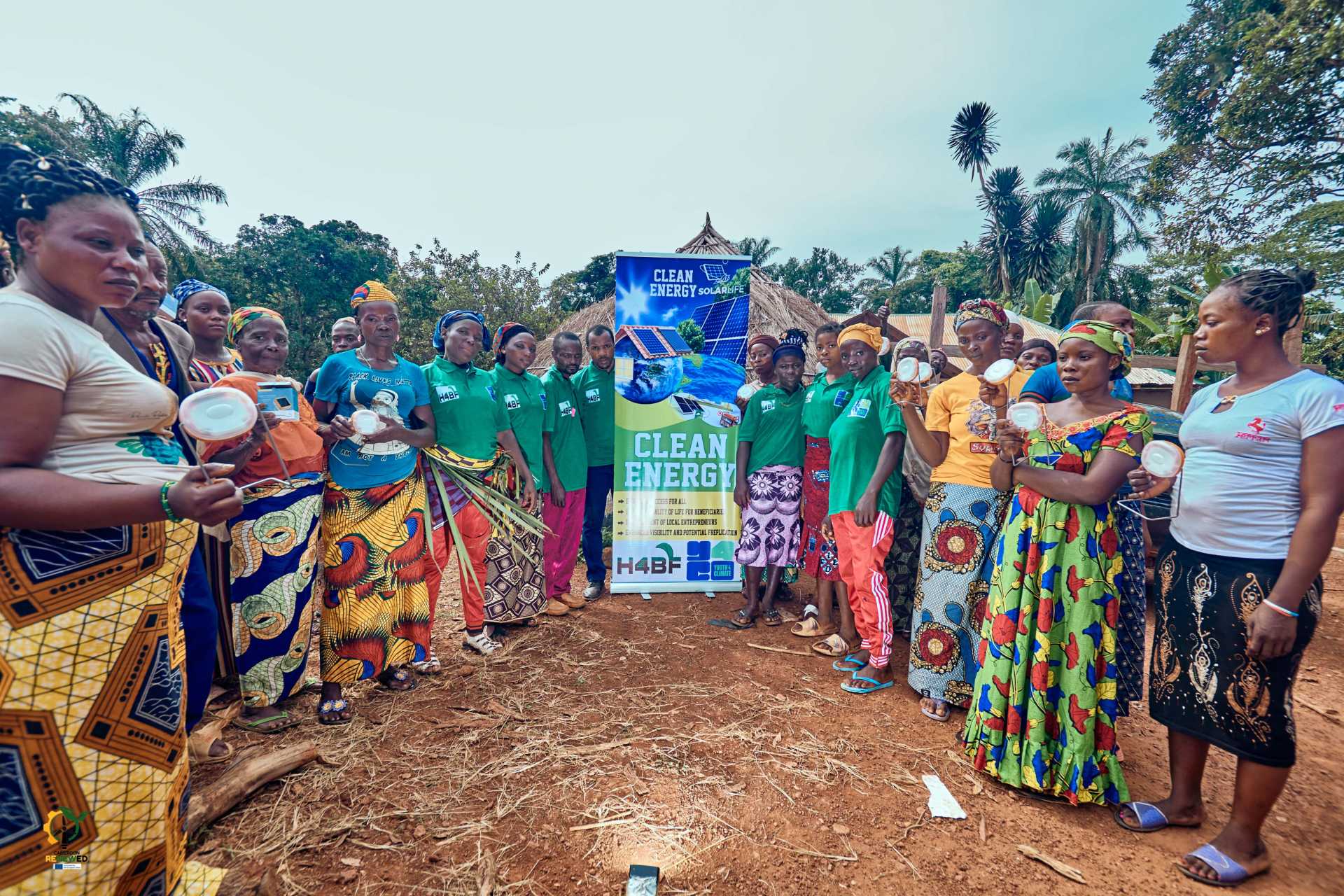
Across Nkambe, Ndu, Ako, Misaje, and Manda Village, adoption rates show strong and lasting behavioral change. Solar lighting, especially solar lamps, recorded the highest uptake, with approximately 60% of households now relying on solar lamps as their primary lighting source. Of more than 3,500 lamps distributed and sold through women-led solar solution centers, over 82% remain in active daily use. Surveys confirm that 94% of users report better lighting quality and 92% report reduced household spending on kerosene and candles, demonstrating both functional and economic value.
The impact on children’s education has been particularly measurable. Before the intervention, many children stopped studying after sunset due to poor lighting or unsafe kerosene lamps. With access to solar lamps, 92% of households now report that children study regularly at night, while 78% report improved school attendance and homework completion. On average, children gained an additional 1.5–2 hours of study time per evening. Teachers interviewed during follow-up visits confirmed noticeable improvements in concentration, assignment completion, and classroom participation among students from solar-lamp households.
For Esther, a displaced mother of four living in Nkambe, the change has been deeply personal. Before joining the project, her household depended on firewood and kerosene. Evenings were short, smoky, and unsafe.
“Before, when the sun went down, learning stopped,” Esther explains. “My children wanted to read, but the light was too weak, and the smoke made us cough.”
After receiving training as a solar entrepreneur, Esther began selling and repairing solar lamps through a local solution center. Today, she earns an average of 150,000 CFA per month—more than four times what she previously earned from casual farm labor. “This work changed everything for me,” she says. “I am no longer just surviving. I can plan. I can save. I can pay school fees without fear.”
Most importantly, her children now study every night under solar light. “Now my children read after sunset with bright light,” Esther says. “They tell me they want to become teachers and nurses. When I see them studying, I know their future will be different from mine.”
Clean cooking solutions have also seen steady adoption. About 45% of households transitioned to fuel-efficient cookstoves or biomass briquettes, leading to 1,350 households abandoning traditional three-stone fires. This shift reduced household fuel consumption by approximately 40% and resulted in a documented 30% reduction in smoke-related respiratory illnesses among women and children. Women also reported saving 2–3 hours per day previously spent collecting firewood, time that is now used for income-generating activities, childcare, and education.
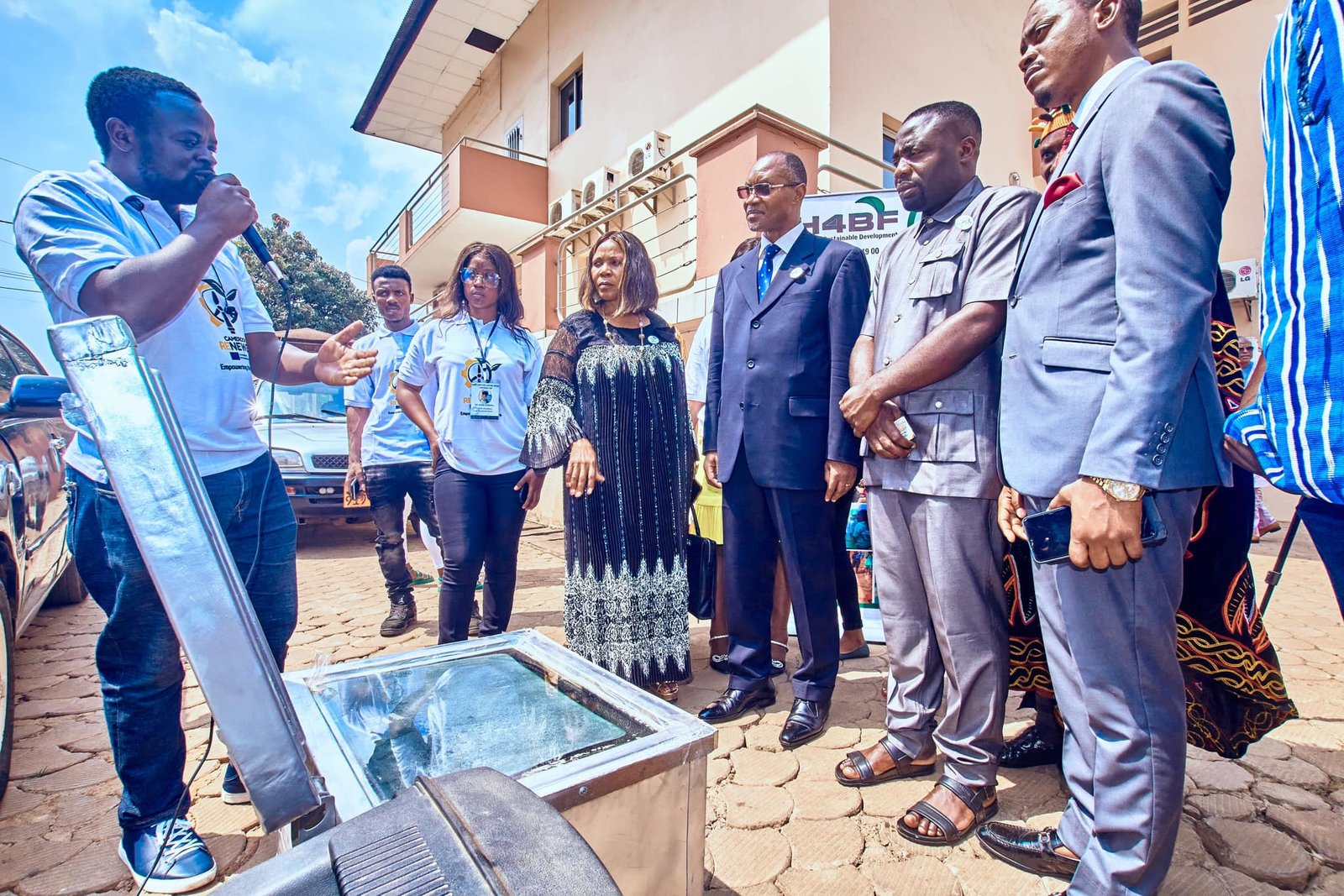
Women-led solar solution centers became critical community hubs, offering services that reinforced adoption and sustainability. Entrepreneurs provided phone charging, solar drying, and repair services that households used daily. Over 12,500 phone charges were recorded, solar dryers preserved more than 2,000 kilograms of food, and repair services accounted for nearly 18% of monthly center revenue. These complementary services ensured that clean energy was not a one-time purchase, but a reliable and valued service embedded in daily life.
Environmental outcomes followed adoption. Over 26 months, the project avoided an estimated 25 metric tons of CO₂ emissions by replacing kerosene lamps, reducing firewood consumption, and promoting biomass briquettes made from farm waste. Indoor air quality improved, pressure on local forests declined, and communities reported stronger awareness of sustainable energy practices. Crucially, these gains emerged because households chose clean energy—not because it was imposed.
The significance of these results extends beyond the project sites. By demonstrating high adoption rates in crisis-affected settings, the initiative contributes directly to Cameroon’s national goals on renewable energy, climate resilience, and women’s economic empowerment. Across Africa, it offers evidence that decentralized, women-led clean energy enterprises can deliver both social impact and financial sustainability in fragile contexts.
Globally, the Clean Energy for All Initiative advances multiple Sustainable Development Goals, including SDG 7 (Affordable and Clean Energy), SDG 4 (Quality Education), SDG 5 (Gender Equality), SDG 3 (Good Health and Well-being), SDG 8 (Decent Work and Economic Growth), and SDG 13 (Climate Action). By linking energy adoption to education outcomes and women’s livelihoods, the project demonstrates how climate solutions can drive human development at scale.
As adoption deepens, communities are now looking ahead. Nearly 60% of surveyed households—particularly those with livestock—expressed readiness to adopt biogas as a next step to fully eliminate firewood use and improve sanitation. This progression from lighting to clean cooking to circular energy systems reflects a powerful lesson: when clean energy delivers real value, communities embrace it and demand more.
For women like Esther and for thousands of children now studying under solar light, clean energy has become more than a technology. It is a foundation for dignity, resilience, and hope—helping Cameroon, Africa, and the global community move closer to a just and sustainable future.



The integration of clean energy solutions in Cameroon’s crisis-affected communities is significantly enhancing the quality of life for its residents. These sustainable energy sources are not only providing reliable electricity but also fostering economic development by creating job opportunities and improving access to essential services. As communities transition from traditional energy sources, they experience a reduction in environmental degradation and increased resilience against future challenges. The shift towards clean energy represents a pivotal step in promoting social and economic stability in the region. In the crisis-affected communities of Cameroon’s North West Region, energy poverty is not a distant concept—it defines how families cook, study, earn income, and stay healthy. For internally displaced households and women-headed families, the absence of safe and reliable energy deepens vulnerability and limits opportunity. Through the Clean Energy for All Initiative, Hope for a Better Future (H4BF), with support from Youth4Climate (UNDP Italy) and JAC Trust, has demonstrated that clean energy adoption, particularly through solar lamps, can be rapid, sustained, and transformative when solutions are community-owned and economically viable.
Benefits of Solar Lamps in Daily Life
Across Nkambe, Ndu, Ako, Misaje, and Manda Village, adoption rates show strong and lasting behavioral change. Solar lighting, especially solar lamps, recorded the highest uptake, with approximately 60% of households now relying on solar lamps as their primary lighting source. Of more than 3,500 lamps distributed and sold through women-led solar solution centers, over 82% remain in active daily use. Surveys confirm that 94% of users report better lighting quality and 92% report reduced household spending on kerosene and candles, demonstrating both functional and economic value.
The impact on children’s education has been particularly measurable. Before the intervention, many children stopped studying after sunset due to poor lighting or unsafe kerosene lamps. With access to solar lamps, 92% of households now report that children study regularly at night, while 78% report improved school attendance and homework completion. On average, children gained an additional 1.5–2 hours of study time per evening. Teachers interviewed during follow-up visits confirmed noticeable improvements in concentration, assignment completion, and classroom participation among students from solar-lamp households.
For Esther, a displaced mother of four living in Nkambe, the change has been deeply personal. Before joining the project, her household depended on firewood and kerosene. Evenings were short, smoky, and unsafe.
After receiving training as a solar entrepreneur, Esther began selling and repairing solar lamps through a local solution center. Today, she earns an average of 150,000 CFA per month—more than four times what she previously earned from casual farm labor. “This work changed everything for me,” she says. “I am no longer just surviving. I can plan. I can save. I can pay school fees without fear.”
Most importantly, her children now study every night under solar light. “Now my children read after sunset with bright light,” Esther says. “They tell me they want to become teachers and nurses. When I see them studying, I know their future will be different from mine.”
Clean cooking solutions have also seen steady adoption. About 45% of households transitioned to fuel-efficient cookstoves or biomass briquettes, leading to 1,350 households abandoning traditional three-stone fires. This shift reduced household fuel consumption by approximately 40% and resulted in a documented 30% reduction in smoke-related respiratory illnesses among women and children. Women also reported saving 2–3 hours per day previously spent collecting firewood, time that is now used for income-generating activities, childcare, and education.
Women-led solar solution centers became critical community hubs, offering services that reinforced adoption and sustainability. Entrepreneurs provided phone charging, solar drying, and repair services that households used daily. Over 12,500 phone charges were recorded, solar dryers preserved more than 2,000 kilograms of food, and repair services accounted for nearly 18% of monthly center revenue. These complementary services ensured that clean energy was not a one-time purchase, but a reliable and valued service embedded in daily life.
Environmental outcomes followed adoption. Over 26 months, the project avoided an estimated 25 metric tons of CO₂ emissions by replacing kerosene lamps, reducing firewood consumption, and promoting biomass briquettes made from farm waste. Indoor air quality improved, pressure on local forests declined, and communities reported stronger awareness of sustainable energy practices. Crucially, these gains emerged because households chose clean energy—not because it was imposed.
The significance of these results extends beyond the project sites. By demonstrating high adoption rates in crisis-affected settings, the initiative contributes directly to Cameroon’s national goals on renewable energy, climate resilience, and women’s economic empowerment. Across Africa, it offers evidence that decentralized, women-led clean energy enterprises can deliver both social impact and financial sustainability in fragile contexts.
Globally, the Clean Energy for All Initiative advances multiple Sustainable Development Goals, including SDG 7 (Affordable and Clean Energy), SDG 4 (Quality Education), SDG 5 (Gender Equality), SDG 3 (Good Health and Well-being), SDG 8 (Decent Work and Economic Growth), and SDG 13 (Climate Action). By linking energy adoption to education outcomes and women’s livelihoods, the project demonstrates how climate solutions can drive human development at scale.
As adoption deepens, communities are now looking ahead. Nearly 60% of surveyed households—particularly those with livestock—expressed readiness to adopt biogas as a next step to fully eliminate firewood use and improve sanitation. This progression from lighting to clean cooking to circular energy systems reflects a powerful lesson: when clean energy delivers real value, communities embrace it and demand more.
For women like Esther and for thousands of children now studying under solar light, clean energy has become more than a technology. It is a foundation for dignity, resilience, and hope—helping Cameroon, Africa, and the global community move closer to a just and sustainable future.
Share This:
H4BF