H4BF strengthens its commitment to safer, more resilient humanitarian action through crisis management training in Cameroon.
Bamenda, Cameroon | October 2026
When we think about humanitarian work, we often think about the people we serve: a young person searching for an opportunity, a woman rebuilding her life after hardship, a family struggling to access essential services, or a community working towards a better future.
But behind every intervention are people who make that work possible. They are the staff members travelling to communities, the field teams responding to urgent needs, the volunteers giving their time, and the partners working together to bring hope where it is needed most.
Their safety matters. Their well-being matters. And preparing them for difficult situations is part of our responsibility as a humanitarian organisation.
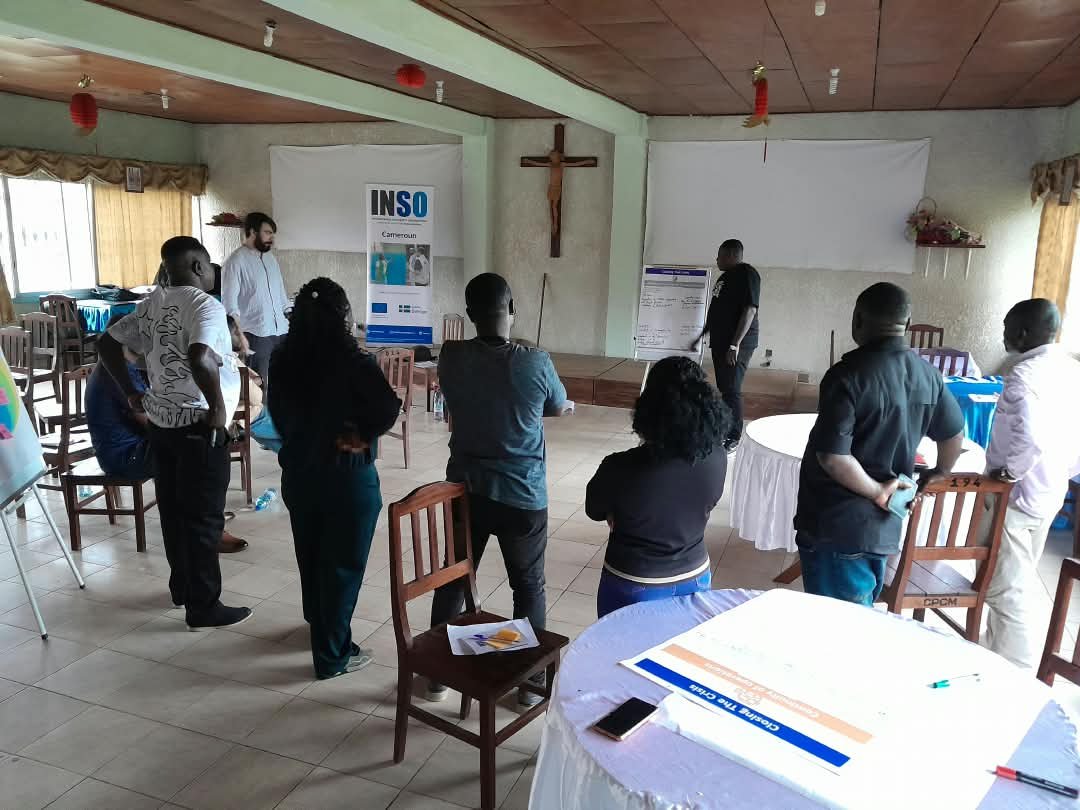
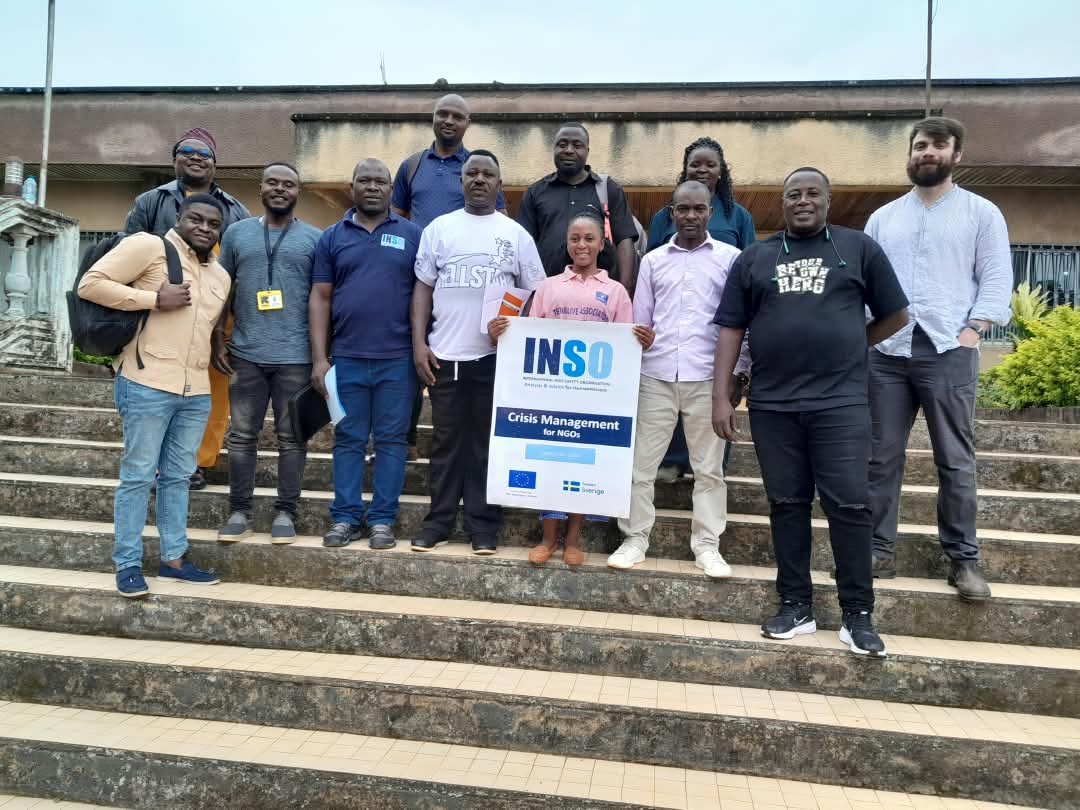
This understanding was reinforced on 16 October 2026, when Ngo Abdulai Banfogha, Founder and CEO of Hope for A Better Future (H4BF), participated in a Crisis Management for NGOs training organised by the International NGO Safety Organisation (INSO) in Cameroon.
The training offered an opportunity to reflect on an important question: When a crisis occurs, are we prepared to protect our people, make responsible decisions, and continue serving our communities?
For H4BF, this is more than an operational question. It is part of our commitment to responsible humanitarian action.
Why Preparedness Matters to Our Work
At H4BF, our work is driven by a simple belief: every person deserves an opportunity to live with dignity, security, and hope.
Through our programmes in women’s and girls’ empowerment, health, vocational training, renewable energy, food security, and community development, we work alongside people facing different forms of hardship.
Some of the communities we serve experience challenging circumstances that can make humanitarian and development work unpredictable. In such environments, organisations must be ready to adapt, assess risks, and make decisions that put people’s safety first.
Good intentions alone are not enough. We also need the knowledge, systems, relationships, and preparation to respond when unexpected situations arise.
Crisis preparedness helps us think beyond the immediate delivery of a project. It encourages us to consider the safety of our teams, the protection of the people we serve, the continuity of essential activities, and the trust communities place in our organisation.
This is why strengthening our understanding of crisis management is an important part of H4BF’s institutional development.
Learning to Respond, Not Simply React
One of the important lessons from the training was that effective crisis management begins long before a crisis happens.
Organisations need to understand the risks in their operating environments, prepare their teams, establish clear responsibilities, and develop contingency plans. When an incident occurs, people should know how to report it, who is responsible for making decisions, and how to obtain the assistance required.
The training explored how NGOs can establish and operate a Crisis Management Team, coordinate responses, communicate appropriately, and review incidents to identify lessons for the future.
For H4BF, these lessons reinforce the importance of building an organisation that can respond thoughtfully and responsibly under pressure.
Imagine a situation in which a field team encounters an unexpected emergency. In those moments, confusion and delayed communication can make a difficult situation even more challenging. Clear procedures, reliable information, and well-defined responsibilities can help an organisation respond more effectively.
Preparedness does not mean that every crisis can be prevented. It means taking reasonable steps to reduce risks, protect people, and make better-informed decisions when circumstances become difficult.
We want our teams to be equipped not only with the passion to serve, but also with the preparation and judgement needed to serve responsibly.
Protecting People Must Always Come First
Humanitarian work is ultimately about people. This includes the communities we support, but it also includes the staff and volunteers who work to make our programmes possible.
The training highlighted the importance of prioritising the safety of those directly affected by an incident, protecting other team members, and ensuring that accurate information reaches the people who need it.
It also addressed what happens after an incident.
An emergency may leave people feeling distressed, uncertain, or emotionally exhausted, even after the immediate danger has passed. Supporting affected colleagues, listening without judgement, respecting confidentiality, and ensuring appropriate follow-up are important parts of responsible crisis management.
These lessons are a reminder that organisational resilience is not simply about keeping programmes running. It is also about recognising the human impact of difficult experiences and responding with care.
At H4BF, we believe that the people behind our mission deserve the same consideration and dignity that guide our work with the communities we serve.
Stronger Coordination, Stronger Humanitarian Action
No NGO can manage every emergency alone.
Effective crisis response often depends on the relationships an organisation has built before an incident occurs. Communication with relevant humanitarian actors, local stakeholders, and other support structures can help organisations access assistance, exchange relevant information, and avoid working at cross-purposes.
The training reinforced the importance of coordination, clear communication channels, and the careful handling of sensitive information.
For H4BF, this is a valuable reminder of why partnerships matter beyond funding and project implementation. Strong relationships can also support learning, preparedness, and responsible action when unexpected challenges arise.
We see continued collaboration with humanitarian and development actors as an important part of strengthening our institutional capacity and improving the way we work.
Turning Knowledge into Better Practice
A training experience becomes truly valuable when the lessons learned inform everyday decisions.
H4BF will continue to use opportunities for professional development to strengthen its organisational systems and reflect on how crisis preparedness can be integrated into its work.
This includes identifying areas where contingency planning can be improved, clarifying internal responsibilities, strengthening communication procedures, supporting staff awareness, and learning from incidents and operational experience.
It also means recognising that preparedness is not a one-time activity. Risks change, teams evolve, and organisations must continually review whether their procedures remain appropriate to the circumstances in which they work.
We do not claim to have all the answers. Rather, we recognise the importance of remaining open to learning, improving our practices, and seeking guidance where necessary.
That willingness to learn is part of the organisation we want H4BF to be: one that takes its responsibilities seriously, values its people, and continually works to become more effective.
A Commitment That Goes Beyond the Training Room
Participating in the Crisis Management for NGOs training was an opportunity to strengthen knowledge, exchange perspectives, and reflect on the responsibilities that come with humanitarian leadership.
For H4BF, the experience reinforces a principle that guides our work: the impact we seek to create must be matched by the responsibility with which we deliver it.
Every young person trained, every woman supported, every household reached, and every community engagement represents a commitment. Honouring that commitment requires us to pay attention not only to what we deliver, but also to how we work, how we protect people, and how we respond when challenges arise.
As H4BF continues to expand its work and strengthen its partnerships, we remain committed to learning, improving our systems, and building the capacity needed to serve communities responsibly.
Because creating a better future is not only about helping people overcome today’s challenges. It is also about building an organisation that is better prepared to face tomorrow’s uncertainties.
At H4BF, protecting people and strengthening our capacity to serve are part of the same mission: working towards a better future for all.
About Hope for A Better Future (H4BF)
Hope for A Better Future (H4BF) is a Cameroon-based nonprofit organisation established to empower women and girls, improve health, reduce hunger, and help vulnerable communities overcome adversity.
Through vocational training, renewable energy, community development, and humanitarian initiatives, H4BF works to expand opportunities, strengthen resilience, and promote a future in which individuals and communities can thrive.
Learn more about our work: www.h4bf.org
H4BF acknowledges its participation in the Crisis Management for NGOs training organised by the International NGO Safety Organisation (INSO) in Cameroon on 16 October 2026. The training was co-funded by the European Union and Sweden.







H4BF strengthens its commitment to safer, more resilient humanitarian action through crisis management training in Cameroon.
Bamenda, Cameroon | October 2026
When we think about humanitarian work, we often think about the people we serve: a young person searching for an opportunity, a woman rebuilding her life after hardship, a family struggling to access essential services, or a community working towards a better future.
But behind every intervention are people who make that work possible. They are the staff members travelling to communities, the field teams responding to urgent needs, the volunteers giving their time, and the partners working together to bring hope where it is needed most.
Their safety matters. Their well-being matters. And preparing them for difficult situations is part of our responsibility as a humanitarian organisation.
This understanding was reinforced on 16 October 2026, when Ngo Abdulai Banfogha, Founder and CEO of Hope for A Better Future (H4BF), participated in a Crisis Management for NGOs training organised by the International NGO Safety Organisation (INSO) in Cameroon.
The training offered an opportunity to reflect on an important question: When a crisis occurs, are we prepared to protect our people, make responsible decisions, and continue serving our communities?
For H4BF, this is more than an operational question. It is part of our commitment to responsible humanitarian action.
Why Preparedness Matters to Our Work
At H4BF, our work is driven by a simple belief: every person deserves an opportunity to live with dignity, security, and hope.
Through our programmes in women’s and girls’ empowerment, health, vocational training, renewable energy, food security, and community development, we work alongside people facing different forms of hardship.
Some of the communities we serve experience challenging circumstances that can make humanitarian and development work unpredictable. In such environments, organisations must be ready to adapt, assess risks, and make decisions that put people’s safety first.
Good intentions alone are not enough. We also need the knowledge, systems, relationships, and preparation to respond when unexpected situations arise.
Crisis preparedness helps us think beyond the immediate delivery of a project. It encourages us to consider the safety of our teams, the protection of the people we serve, the continuity of essential activities, and the trust communities place in our organisation.
This is why strengthening our understanding of crisis management is an important part of H4BF’s institutional development.
Learning to Respond, Not Simply React
One of the important lessons from the training was that effective crisis management begins long before a crisis happens.
Organisations need to understand the risks in their operating environments, prepare their teams, establish clear responsibilities, and develop contingency plans. When an incident occurs, people should know how to report it, who is responsible for making decisions, and how to obtain the assistance required.
The training explored how NGOs can establish and operate a Crisis Management Team, coordinate responses, communicate appropriately, and review incidents to identify lessons for the future.
For H4BF, these lessons reinforce the importance of building an organisation that can respond thoughtfully and responsibly under pressure.
Imagine a situation in which a field team encounters an unexpected emergency. In those moments, confusion and delayed communication can make a difficult situation even more challenging. Clear procedures, reliable information, and well-defined responsibilities can help an organisation respond more effectively.
Preparedness does not mean that every crisis can be prevented. It means taking reasonable steps to reduce risks, protect people, and make better-informed decisions when circumstances become difficult.
We want our teams to be equipped not only with the passion to serve, but also with the preparation and judgement needed to serve responsibly.
Protecting People Must Always Come First
Humanitarian work is ultimately about people. This includes the communities we support, but it also includes the staff and volunteers who work to make our programmes possible.
The training highlighted the importance of prioritising the safety of those directly affected by an incident, protecting other team members, and ensuring that accurate information reaches the people who need it.
It also addressed what happens after an incident.
An emergency may leave people feeling distressed, uncertain, or emotionally exhausted, even after the immediate danger has passed. Supporting affected colleagues, listening without judgement, respecting confidentiality, and ensuring appropriate follow-up are important parts of responsible crisis management.
These lessons are a reminder that organisational resilience is not simply about keeping programmes running. It is also about recognising the human impact of difficult experiences and responding with care.
At H4BF, we believe that the people behind our mission deserve the same consideration and dignity that guide our work with the communities we serve.
Stronger Coordination, Stronger Humanitarian Action
No NGO can manage every emergency alone.
Effective crisis response often depends on the relationships an organisation has built before an incident occurs. Communication with relevant humanitarian actors, local stakeholders, and other support structures can help organisations access assistance, exchange relevant information, and avoid working at cross-purposes.
The training reinforced the importance of coordination, clear communication channels, and the careful handling of sensitive information.
For H4BF, this is a valuable reminder of why partnerships matter beyond funding and project implementation. Strong relationships can also support learning, preparedness, and responsible action when unexpected challenges arise.
We see continued collaboration with humanitarian and development actors as an important part of strengthening our institutional capacity and improving the way we work.
Turning Knowledge into Better Practice
A training experience becomes truly valuable when the lessons learned inform everyday decisions.
H4BF will continue to use opportunities for professional development to strengthen its organisational systems and reflect on how crisis preparedness can be integrated into its work.
This includes identifying areas where contingency planning can be improved, clarifying internal responsibilities, strengthening communication procedures, supporting staff awareness, and learning from incidents and operational experience.
It also means recognising that preparedness is not a one-time activity. Risks change, teams evolve, and organisations must continually review whether their procedures remain appropriate to the circumstances in which they work.
We do not claim to have all the answers. Rather, we recognise the importance of remaining open to learning, improving our practices, and seeking guidance where necessary.
That willingness to learn is part of the organisation we want H4BF to be: one that takes its responsibilities seriously, values its people, and continually works to become more effective.
A Commitment That Goes Beyond the Training Room
Participating in the Crisis Management for NGOs training was an opportunity to strengthen knowledge, exchange perspectives, and reflect on the responsibilities that come with humanitarian leadership.
For H4BF, the experience reinforces a principle that guides our work: the impact we seek to create must be matched by the responsibility with which we deliver it.
Every young person trained, every woman supported, every household reached, and every community engagement represents a commitment. Honouring that commitment requires us to pay attention not only to what we deliver, but also to how we work, how we protect people, and how we respond when challenges arise.
As H4BF continues to expand its work and strengthen its partnerships, we remain committed to learning, improving our systems, and building the capacity needed to serve communities responsibly.
Because creating a better future is not only about helping people overcome today’s challenges. It is also about building an organisation that is better prepared to face tomorrow’s uncertainties.
At H4BF, protecting people and strengthening our capacity to serve are part of the same mission: working towards a better future for all.
About Hope for A Better Future (H4BF)
Hope for A Better Future (H4BF) is a Cameroon-based nonprofit organisation established to empower women and girls, improve health, reduce hunger, and help vulnerable communities overcome adversity.
Through vocational training, renewable energy, community development, and humanitarian initiatives, H4BF works to expand opportunities, strengthen resilience, and promote a future in which individuals and communities can thrive.
Learn more about our work: www.h4bf.org
H4BF acknowledges its participation in the Crisis Management for NGOs training organised by the International NGO Safety Organisation (INSO) in Cameroon on 16 October 2026. The training was co-funded by the European Union and Sweden.
Share This:
H4BF