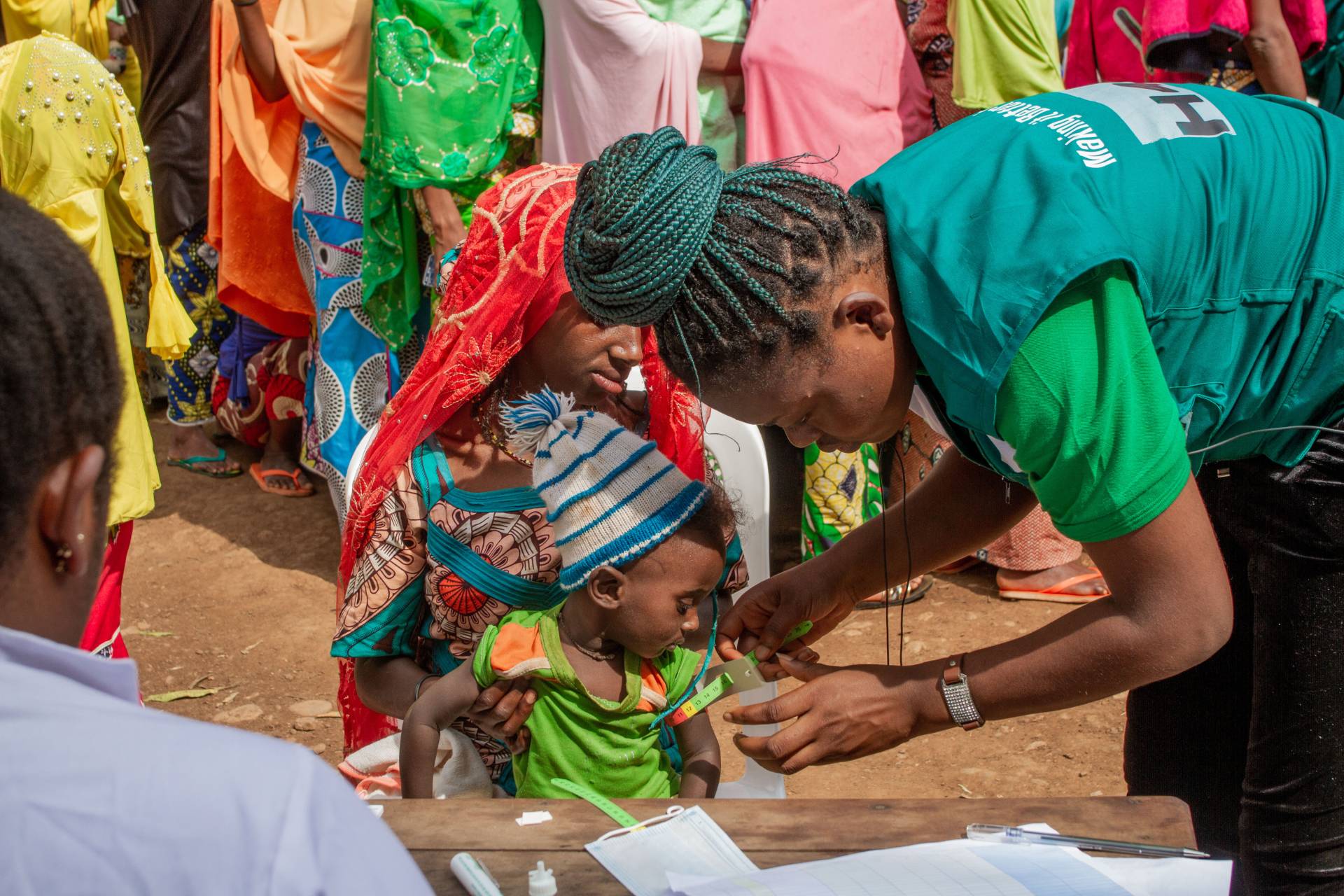
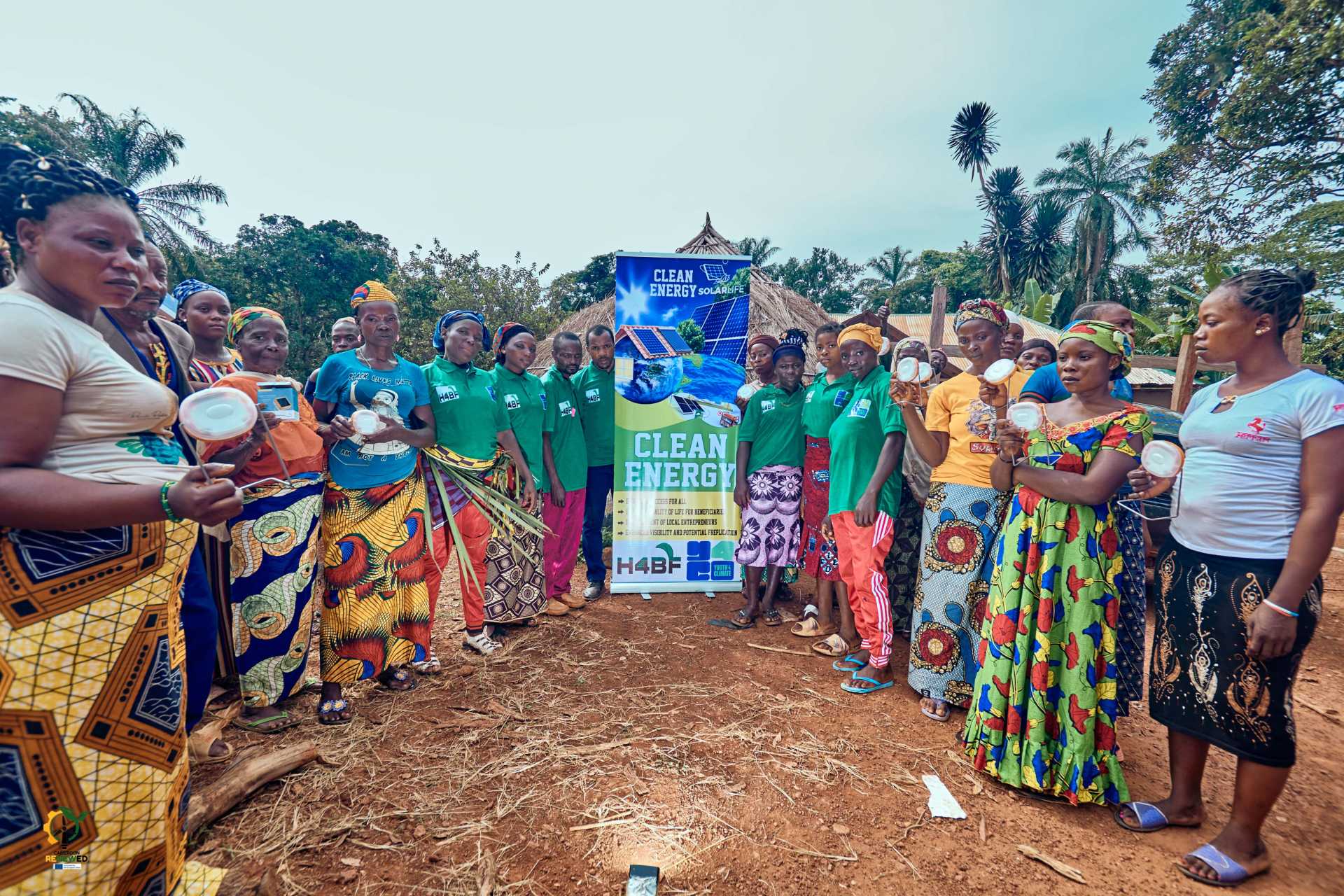
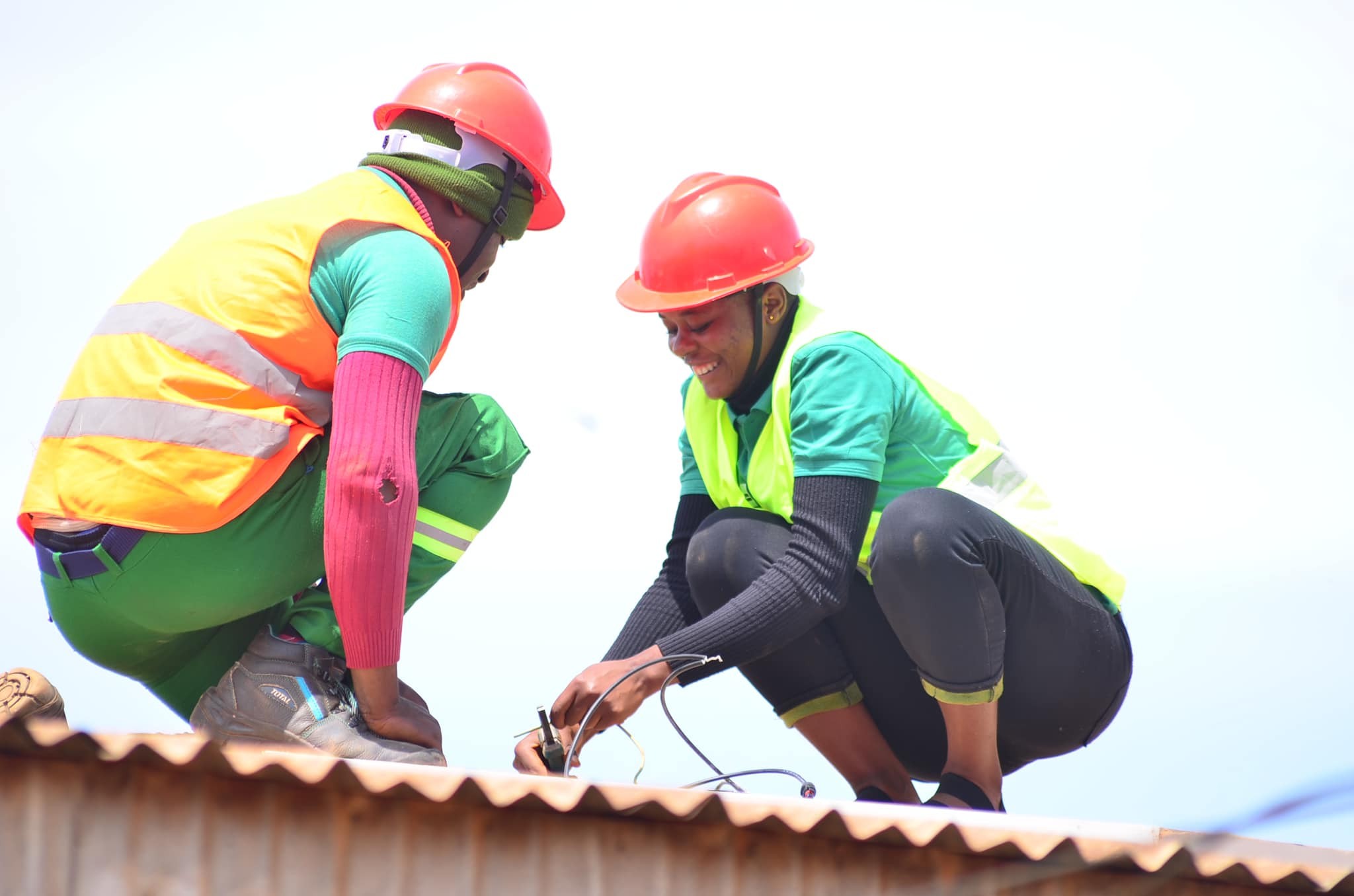
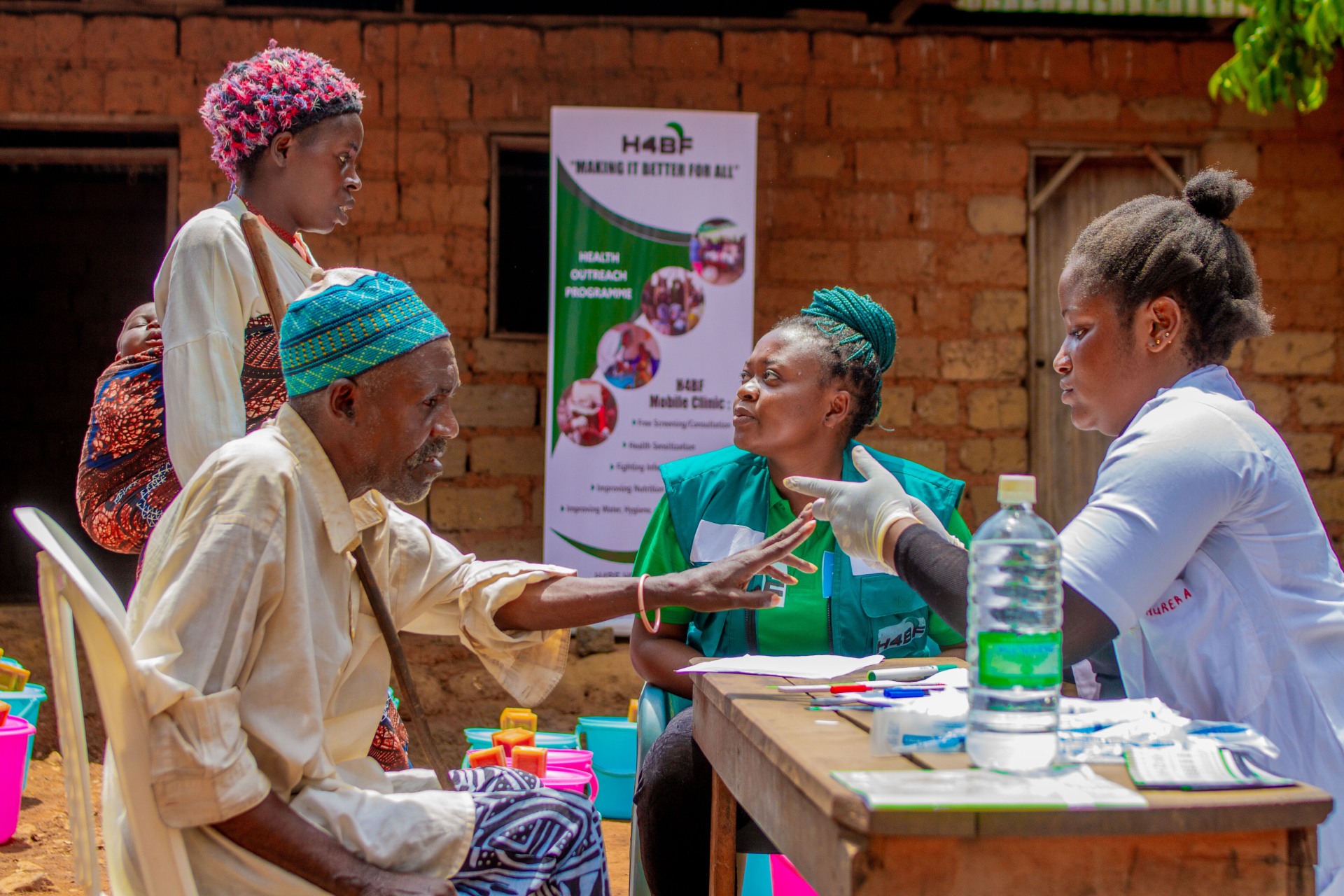
Hope for a Better Future (H4BF) is dedicated to driving innovation from the ground up, improving health, ending hunger, overcoming hardship, and empowering youth, women, and girls. Through sustainable development programs, community engagement, and partnerships, we aim to uplift marginalized populations, foster economic empowerment, and create positive, lasting change in vulnerable communities.
Building Food Security in a Time of Crisis: H4BF Trains Awing Farmers on Climate-Smart Potato Production Under PADESCE (World Bank / MINEFOP)
By the H4BF Communications Office Date: 16–21 May 2025 | Location: Bamenda (theory) – Santa & Awing (practical)
When a region is affected by crisis, the first systems people feel it in are the essentials: food, income, and stability. In the North-West Region of Cameroon, many farming families have faced disrupted markets, reduced extension services, and growing production risks linked to pests, diseases, and climate variability. At this moment, building farmer skills is not a “nice to have”—it is a direct investment in community resilience.
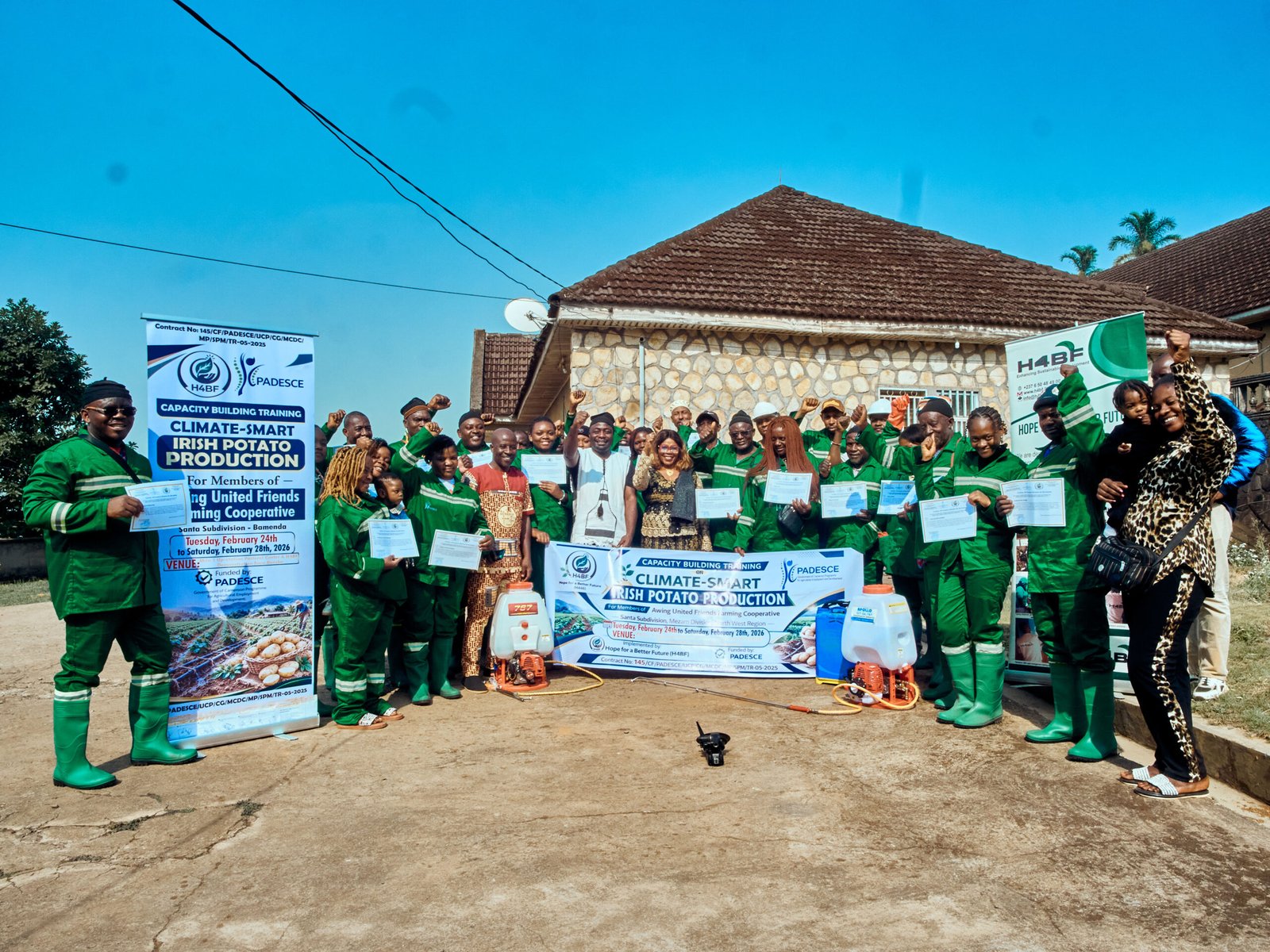
That is why Hope for a Better Future (H4BF) successfully delivered a Start-Up Training on Climate-Smart Potato Production for 32 members (including 10 women) of the Awing United Friends Farming Simplified Cooperative Society Ltd. The activity was implemented under PADESCE, funded by the World Bank, and implemented under the leadership of MINEFOP (Ministry of Employment and Vocational Training).
Why this training matters now
Potatoes remain one of the most important food and cash crops in the Bamenda highlands. Yet many farmers still rely on traditional methods that can lead to:
low or inconsistent yields,
preventable pest and disease losses (especially during high-risk periods), and
reduced income at a time when households need stability most.
This training was designed to address these realities by strengthening practical, climate-smart production skills that can be applied immediately—helping farmers protect their harvests, increase productivity, and improve household incomes.
Adaptive delivery in a crisis context
Originally planned to run fully in Santa, the programme was adjusted due to security and mobility constraints. H4BF adopted a flexible delivery model to protect participants while safeguarding training quality:
Training venues
Theoretical sessions:Pastoral Center, Up Station Bamenda
Practical sessions:
H4BF Demonstration Farm, Banche (Up Station Santa)
Cooperative farmland, Awing
To ensure practical learning remained strong despite movement limitations, H4BF also mobilized expert trainers located within/near the cooperative’s operational area, enabling close supervision and hands-on coaching during field exercises.
What farmers learned
The programme combined interactive learning and field demonstrations focused on the full potato production cycle, including:
Core modules
Potato value and market opportunities (food security and income potential)
Potato crop cycle (critical stages and timely interventions)
Land selection & soil preparation (drainage, fertility, ridging)
Planting techniques (seed selection, depth, and correct spacing)
Weed and crop management (mulching, timing, crop care)
Integrated Pest and Disease Management (IPDM) (prevention, monitoring, safe response options)
Climate-smart practices (soil health and production resilience)
Farmers practiced key skills directly on demonstration plots—land preparation, ridge formation, spacing, pest scouting routines, and field hygiene measures.
Participation and early results
Total trainees: 32 (including 10 women)
Completion rate:100% (32/32)
Competency outcome:28 participants met the core practical competency requirements; 4 participants were identified for targeted follow-up coaching (spacing consistency, pest monitoring routines, and record-keeping).
Beyond the numbers, the most important outcome is confidence: farmers left the training with clear “do-this-next” practices that can improve yields and reduce losses.
What participants said
Farmers strongly valued the hands-on structure of the programme and the relevance to their current challenges:
“Before this training, we planted mostly using what we were used to. Now we understand the importance of spacing, soil preparation, and early pest monitoring to improve our harvest.”
“The practical demonstrations made everything clear. We can apply these methods on our farms and also share them with others.”
Participants also requested (i) more time for field practice, (ii) more certified seed samples for learning, and (iii) follow-up visits during the next crop cycle.
A strong closing ceremony with key institutions and community leadership
The training concluded with a certificate-award ceremony chaired by the Regional Delegate of MINEFOP, with the presence of key stakeholders including:
representatives of MINADER,
representatives of MIMPMEESA,
a representative of the Fon of Awing, and
a representative of the Divisional Officer (DO) of Bamenda I.
Their participation reinforced the importance of skills development, agricultural entrepreneurship, and cooperative strengthening—especially during this period.
What’s next: Practical follow-up for real impact
To consolidate gains and ensure farm-level adoption, H4BF recommends:
2–3 field coaching visits during the next production cycle (targeted support + troubleshooting).
Support to improve access to quality seed potatoes and basic IPM inputs.
Establish a cooperative demonstration plot for continuous learning and peer training.
Introduce a simple farmer record-keeping system (planting dates, inputs, pests, yields).
Replicate the training model with additional groups across Santa and nearby communities.
Our commitment
H4BF remains committed to strengthening farmer capacity and cooperative systems that improve food security, incomes, and community resilience. Under PADESCE (World Bank / MINEFOP), this training demonstrates what is possible when practical skills development is delivered in a way that fits local realities—even in a crisis context.
Together, we are building stronger farms, stronger cooperatives, and a more resilient future.
About H4BF
Hope for a Better Future (H4BF) is a Cameroon-based organization working to enhance food security, livelihoods, health, and resilience for vulnerable communities—driving innovation from the ground up.



Building Food Security in a Time of Crisis: H4BF Trains Awing Farmers on Climate-Smart Potato Production Under PADESCE (World Bank / MINEFOP)
By the H4BF Communications Office
Date: 16–21 May 2025 | Location: Bamenda (theory) – Santa & Awing (practical)
When a region is affected by crisis, the first systems people feel it in are the essentials: food, income, and stability. In the North-West Region of Cameroon, many farming families have faced disrupted markets, reduced extension services, and growing production risks linked to pests, diseases, and climate variability. At this moment, building farmer skills is not a “nice to have”—it is a direct investment in community resilience.
That is why Hope for a Better Future (H4BF) successfully delivered a Start-Up Training on Climate-Smart Potato Production for 32 members (including 10 women) of the Awing United Friends Farming Simplified Cooperative Society Ltd. The activity was implemented under PADESCE, funded by the World Bank, and implemented under the leadership of MINEFOP (Ministry of Employment and Vocational Training).
Why this training matters now
Potatoes remain one of the most important food and cash crops in the Bamenda highlands. Yet many farmers still rely on traditional methods that can lead to:
This training was designed to address these realities by strengthening practical, climate-smart production skills that can be applied immediately—helping farmers protect their harvests, increase productivity, and improve household incomes.
Adaptive delivery in a crisis context
Originally planned to run fully in Santa, the programme was adjusted due to security and mobility constraints. H4BF adopted a flexible delivery model to protect participants while safeguarding training quality:
Training venues
To ensure practical learning remained strong despite movement limitations, H4BF also mobilized expert trainers located within/near the cooperative’s operational area, enabling close supervision and hands-on coaching during field exercises.
What farmers learned
The programme combined interactive learning and field demonstrations focused on the full potato production cycle, including:
Core modules
Farmers practiced key skills directly on demonstration plots—land preparation, ridge formation, spacing, pest scouting routines, and field hygiene measures.
Participation and early results
Beyond the numbers, the most important outcome is confidence: farmers left the training with clear “do-this-next” practices that can improve yields and reduce losses.
What participants said
Farmers strongly valued the hands-on structure of the programme and the relevance to their current challenges:
Participants also requested (i) more time for field practice, (ii) more certified seed samples for learning, and (iii) follow-up visits during the next crop cycle.
A strong closing ceremony with key institutions and community leadership
The training concluded with a certificate-award ceremony chaired by the Regional Delegate of MINEFOP, with the presence of key stakeholders including:
Their participation reinforced the importance of skills development, agricultural entrepreneurship, and cooperative strengthening—especially during this period.
What’s next: Practical follow-up for real impact
To consolidate gains and ensure farm-level adoption, H4BF recommends:
Our commitment
H4BF remains committed to strengthening farmer capacity and cooperative systems that improve food security, incomes, and community resilience. Under PADESCE (World Bank / MINEFOP), this training demonstrates what is possible when practical skills development is delivered in a way that fits local realities—even in a crisis context.
Together, we are building stronger farms, stronger cooperatives, and a more resilient future.
About H4BF
Hope for a Better Future (H4BF) is a Cameroon-based organization working to enhance food security, livelihoods, health, and resilience for vulnerable communities—driving innovation from the ground up.
Share This:
H4BF